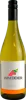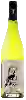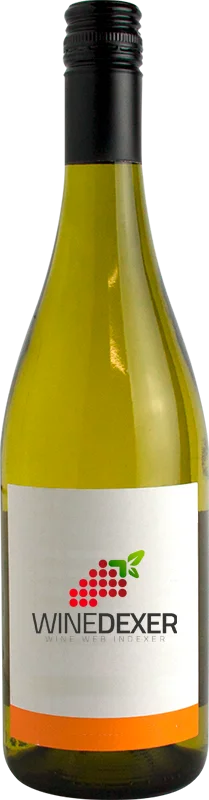
Château CoujanSaint-Chinian Blanc
 White wine


In the mouth this white wine is a powerful.
This wine generally goes well with vegetarian, poultry or lean fish.

Taste structure of the Saint-Chinian Blanc from the Château Coujan
Light | Bold | |
Dry | Sweet | |
Soft | Acidic |
In the mouth the Saint-Chinian Blanc of Château Coujan in the region of Languedoc-Roussillon is a powerful.
Food and wine pairings with Saint-Chinian Blanc
Pairings that work perfectly with Saint-Chinian Blanc



Original food and wine pairings with Saint-Chinian Blanc


The Saint-Chinian Blanc of Château Coujan matches generally quite well with dishes of pasta, vegetarian or poultry such as recipes of tagliatelle with carbonara, mushroom, bacon and gruyere quiche or spanish paella.
Details and technical informations about Château Coujan's Saint-Chinian Blanc.
Discover the grape variety: Aurore
Light, fruity whites with a pale colour, supple palate and medium acidity, showing simple aromas of white fruits (apple, pear), white flowers, citrus and discreet muscat notes. A thirst-quenching style, also made sparkling. Grown in the north-eastern United States (New York, Pennsylvania) and Canada (Ontario), well-adapted to cold continental viticultural climates. American white hybrid created in 1860 by Albert Seibel (Seibel 788 × Seibel 29).
Informations about the Château Coujan
The Château Coujan is one of of the world's great estates. It offers 16 wines for sale in the of Languedoc-Roussillon to come and discover on site or to buy online.

The wine region of Languedoc-Roussillon
Largest single French vineyard, dominated by sunny, generous reds. Spicy Syrah, candied Grenache (ripe fruit, garrigue), structured Carignan, deep Mourvèdre, supple Cinsault. Stars: structured Corbières, Minervois, Faugères, Saint-Chinian; round Côtes-du-Roussillon. Legendary vins doux naturels: Banyuls and Maury (fortified Grenache) with notes of cocoa, fig, prune.
The word of the wine: Farm
Wine dominated by a strong acidity and/or biting tannins. In this case, the components of the wine need to melt, i.e. to harmonize during the maturation in the cellar.