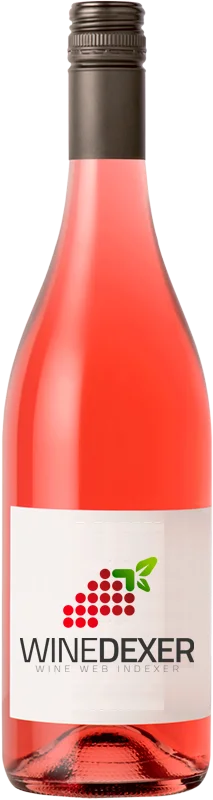
Château BauducRick Stein Bordeaux Rosé
 Pink wine



This wine is a blend of 2 varietals which are the Cabernet-Sauvignon and the Merlot.
This wine generally goes well with poultry, beef or game (deer, venison).

Wine flavors and olphactive analysis

On the nose the Rick Stein Bordeaux Rosé of Château Bauduc in the region of Bordeaux often reveals types of flavors of oak.
Food and wine pairings with Rick Stein Bordeaux Rosé
Pairings that work perfectly with Rick Stein Bordeaux Rosé



Original food and wine pairings with Rick Stein Bordeaux Rosé


The Rick Stein Bordeaux Rosé of Château Bauduc matches generally quite well with dishes of beef, lamb or game (deer, venison) such as recipes of steak tartare, leg of lamb in braillouse or cassoulet with duck confit.
Details and technical informations about Château Bauduc's Rick Stein Bordeaux Rosé.
Discover the grape variety: Cabernet-Sauvignon
Structured, tannic reds, deeply coloured, with aromas of blackcurrant, blackberry, cedar, tobacco and graphite, underpinned by firm acidity and fine ageing potential. Cornerstone of the great Médoc estates (Pauillac, Saint-Estèphe, Saint-Julien) and signature of Napa Valley, Coonawarra and Maipo. The world's most planted red variety, a natural cross of Cabernet Franc x Sauvignon Blanc born in Bordeaux.
Informations about the Château Bauduc
The Château Bauduc is one of of the world's great estates. It offers 18 wines for sale in the of Bordeaux to come and discover on site or to buy online.

The wine region of Bordeaux
World-renowned age-worthy reds, led by round Merlot (plum, black fruit) or firm Cabernet Sauvignon (blackcurrant, cedar, graphite), blended with Cabernet Franc and Petit Verdot for tannic structure. Structured Médoc and Graves, velvety Saint-Émilion and Pomerol. Also crisp dry whites (Sauvignon/Sémillon) and opulent sweet Sauternes with honey and candied fruit. A 110,000 ha Gironde vineyard, 65 appellations, cradle of the 1855 classified growths.
The word of the wine: Reserve wine (champagne)
Older wines, kept in vats or aged in wood in some houses, or kept in magnums at Bollinger. A small percentage of these wines are used in the blending of non-vintage wines in order to bring greater aromatic complexity.