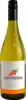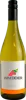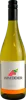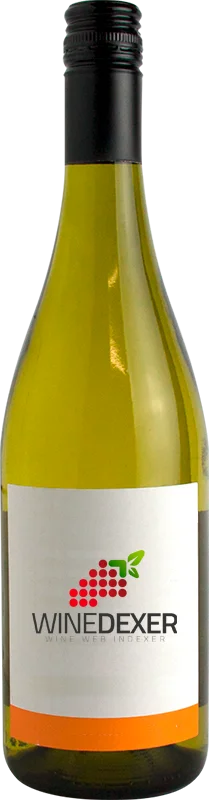
Winery Charneca de PegõesMoscatel de Setúbal
 Natural sweet wine



In the mouth this natural sweet wine is a with a nice freshness.
This wine generally goes well with blue cheese and sweet desserts.
Taste structure of the Moscatel de Setúbal from the Winery Charneca de Pegões
Light | Bold | |
Dry | Sweet | |
Soft | Acidic |
In the mouth the Moscatel de Setúbal of Winery Charneca de Pegões in the region of Península de Setúbal is a with a nice freshness.


Food and wine pairings with Moscatel de Setúbal
Pairings that work perfectly with Moscatel de Setúbal


Original food and wine pairings with Moscatel de Setúbal
The Moscatel de Setúbal of Winery Charneca de Pegões matches generally quite well with dishes of sweet desserts or blue cheese such as recipes of chocolate mug cake or courgette, roquefort and pine nut pie.
Details and technical informations about Winery Charneca de Pegões's Moscatel de Setúbal.
Discover the grape variety: Chasselas
Chasselas rosé is a grape variety that originated in France. It produces a variety of grape used to make wine. However, it can also be found eating on our tables! This variety of vine is characterized by medium-sized bunches and medium-sized grapes. Chasselas rosé can be found in several vineyards: Alsace, South-West, Cognac, Bordeaux, Loire Valley, Rhone Valley, Languedoc & Roussillon, Provence & Corsica, Savoie & Bugey, Beaujolais.
Last vintages of this wine
The best vintages of Moscatel de Setúbal from Winery Charneca de Pegões are 2008, 2019, 0, 1988
Informations about the Winery Charneca de Pegões
The Winery Charneca de Pegões is one of of the world's greatest estates. It offers 4 wines for sale in the of Setúbal to come and discover on site or to buy online.

The wine region of Setúbal
The wine region of Setúbal is located in the region of Península de Setúbal of Portugal. Wineries and vineyards like the Domaine José Maria da Fonseca or the Domaine Horácio Simões produce mainly wines red, natural sweet and white. The most planted grape varieties in the region of Setúbal are Touriga nacional, Fernao Pires and Cabernet-Sauvignon, they are then used in wines in blends or as a single variety. On the nose of Setúbal often reveals types of flavors of orange, coffee or toasty and sometimes also flavors of clove, pear or lemon.
The wine region of Península de Setúbal
Setúbal Peninsula (also known as Península de Setúbal) is the Portuguese wine region immediately southeast of Lisbon, across the Tejo estuary. The Terroir in the area ranges from sandy coastal plains to the craggy, limestone-rich Serra Arribida hills. The area is known for its Dry red wines made from Castelão, and for its fortified wines and Sweet Moscatel de Setúbal. The wines produced here are made under three titles: two DOCs, Palmela and Setúbal, and one IGP.
The word of the wine: Wooded
A set of aromas brought about by ageing in barrels (usually oak). This can be pleasant when, in small doses, it brings a touch of spice, roast or vanilla to an already constructed ensemble. When the violent woodiness dominates the wine, it is quickly tiring. Easily identifiable aromatically, it is sought after (to the point of abuse) by the makers of coarse wines. New World manufacturers and, alas, some French winemakers use oak chips to impart the woody taste, which is tantamount to artificial flavoring.