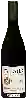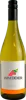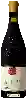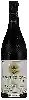
Winery Charles TyrandSecret des Roches
 Red wine



In the mouth this red wine is a powerful with a nice balance between acidity and tannins.
This wine generally goes well with beef, game (deer, venison) or lamb.

Taste structure of the Secret des Roches from the Winery Charles Tyrand
Light | Bold | |
Smooth | Tannic | |
Dry | Sweet | |
Soft | Acidic |
In the mouth the Secret des Roches of Winery Charles Tyrand in the region of Rhone Valley is a powerful with a nice balance between acidity and tannins.
Food and wine pairings with Secret des Roches
Pairings that work perfectly with Secret des Roches



Original food and wine pairings with Secret des Roches
The Secret des Roches of Winery Charles Tyrand matches generally quite well with dishes of beef, lamb or game (deer, venison) such as recipes of braised beef with guinness, imene's tunisian ojja or roast wild boar with beer.
Details and technical informations about Winery Charles Tyrand's Secret des Roches.
Discover the grape variety: Trepat
Light, elegant reds and rosés with a clear ruby robe, fine tannins and fresh acidity. Delicate aromas of strawberry, raspberry, red cherry, rose, white flowers and spicy notes. Airy, refreshing palate. Star of Conca de Barberà DO in Catalonia and component of Cava DO rosés and Cava de Paraje Calificado, contributing aromatic finesse. Native Catalan variety, long overlooked, rediscovered for its elegant, fresh profile.
Informations about the Winery Charles Tyrand
The Winery Charles Tyrand is one of of the world's greatest estates. It offers 18 wines for sale in the of Rhone Valley to come and discover on site or to buy online.

The wine region of Rhone Valley
France's 2nd-largest AOC vineyard, two complementary worlds. Northern: pure Syrah in signature reds (Côte-Rôtie, Hermitage, Cornas), deep and peppery with blackberry, violet, black olive and smoked bacon notes, exceptional ageing. Opulent Viognier whites (Condrieu, apricot, flowers) and ample Marsanne-Roussanne. Southern: sun-soaked Grenache blends at Châteauneuf, Gigondas, Vacqueyras (candied fruit, garrigue).
The word of the wine: Performance
Quantity of grapes harvested per hectare. In AOC, the average yield is limited on the proposal of the appellation syndicate, validated by the Inao. The use of high-performance plant material (especially clones) and better control of vine diseases have increased yields. This is not without consequences on the quality of the wines (dilution) and on the state of the market (too much wine). We must not over-simplify: low yields are not synonymous with quality, and it is often in years with generous harvests that we find the greatest vintages (1982 and 1986 in Bordeaux, 1996 in Champagne, 1990 and 2005 in Burgundy...).