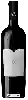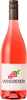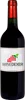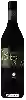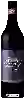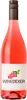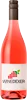
Cave de JolimontFriolant de Gamay Rosé
 Pink wine
This wine generally goes well with beef

Food and wine pairings with Friolant de Gamay Rosé
Pairings that work perfectly with Friolant de Gamay Rosé

Original food and wine pairings with Friolant de Gamay Rosé
The Friolant de Gamay Rosé of Cave de Jolimont matches generally quite well with dishes of beef such as recipes of thai beef curry.
Details and technical informations about Cave de Jolimont's Friolant de Gamay Rosé.
Discover the grape variety: Gamay noir
Light, juicy reds, low in tannins with crunchy freshness, showing aromas of wild strawberry, raspberry, banana (from carbonic maceration) and peony. Easy-drinking style of Beaujolais Nouveau, more structured and mineral on the granites of the ten crus (Morgon, Moulin-à-Vent, Fleurie, Brouilly). Also in Touraine, Auvergne and Swiss Romande. A Burgundian variety, a cross of Pinot Noir × Gouais Blanc.
Informations about the Cave de Jolimont
The Cave de Jolimont is one of of the world's great estates. It offers 72 wines for sale in the of Mont-sur-Rolle to come and discover on site or to buy online.

The wine region of Mont-sur-Rolle
Millennium-old AOC of La Côte in Vaud on the shores of Lake Geneva (~250 ha across 3 communes): signature Chasselas as ruling white (70%) — ample and well-structured profile, fruity and mineral with linden, honey, citrus and white flowers, touch of lemon and fresh minerality, signature velvety finesse reflecting terroir. Rocky subsoils, clays, molasses and Rhône glacial alluvions. Warm lake winds, mild protected climate, ample structure and full palate.
The wine region of Vaud
World reference for Chasselas (~60% of the vineyard). Mineral, delicate whites with signature notes of green apple, citrus, white flowers, fresh almond and a saline touch, low acidity and a silky palate. Maximum expression in Lavaux (UNESCO 2007) on Lake Geneva terraces. Also La Côte, Chablais and the iconic Dézaley.
The word of the wine: Disgorging (champagne)
This is the evacuation of the deposit formed by the yeasts during the second fermentation in the bottle, by opening the bottle. The missing volume is completed with the liqueur de dosage - a mixture of wine and cane sugar - before the final cork is placed. For some years now, some producers have been replacing this sugar with rectified concentrated musts (concentrated grape juice) which give excellent results. A too recent dosage (less than three months) harms the gustatory harmony of the champagne.