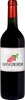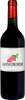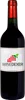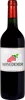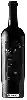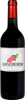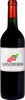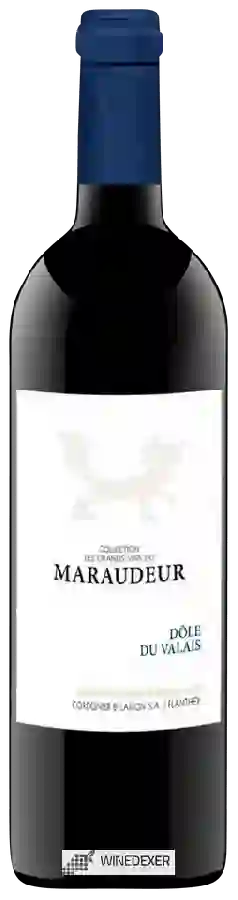
Winery Cordonier & LamonMaraudeur Dôle
 Red wine



This wine is a blend of 2 varietals which are the Pinot noir and the Gamay noir.
This wine generally goes well with pork, poultry or beef.
The Maraudeur Dôle of the Winery Cordonier & Lamon is in the top 30 of wines of Valais.

Food and wine pairings with Maraudeur Dôle
Pairings that work perfectly with Maraudeur Dôle



Original food and wine pairings with Maraudeur Dôle



The Maraudeur Dôle of Winery Cordonier & Lamon matches generally quite well with dishes of beef, veal or pork such as recipes of beef kidney, veal blanquette à l'ancienne or savoyard crozet gratin.
Details and technical informations about Winery Cordonier & Lamon's Maraudeur Dôle.
Discover the grape variety: Pinot noir
Elegant reds, light in colour with silky tannins, showing strawberry, cherry and raspberry aromas, evolving to forest floor, mushroom and spice with age. Fresh acidity, delicate finish. Star of the Côte d'Or (Romanée-Conti, Chambertin, Volnay), pillar of Champagne (Blanc de Noirs) and signature of Oregon, Central Otago and Sonoma Coast. An early-ripening Burgundian variety, one of the world's greatest.
Last vintages of this wine
The best vintages of Maraudeur Dôle from Winery Cordonier & Lamon are 0
Informations about the Winery Cordonier & Lamon
The Winery Cordonier & Lamon is one of of the world's great estates. It offers 65 wines for sale in the of Valais to come and discover on site or to buy online.

The wine region of Valais
Switzerland's largest vineyard, capital of native grapes. Straight, precise alpine whites: light, floral Chasselas (Fendant), signature Petite Arvine with saline, grapefruit and rhubarb notes, rich, apricoty Amigne, mineral Humagne Blanche. Altitude reds: fine Pinot Noir, crisp Gamay, native Cornalin and Humagne Rouge, spicy and deep. Highly precise alpine age-worthy wines.
The word of the wine: Sulphur
An antiseptic and antioxidant substance known since antiquity, probably already used by the Romans. But it was only in modern times that its use was rediscovered. It will allow a better conservation of the wine and thus favour its export. Sulphur also gave the 18th century winegrower the possibility of extending the maceration period without fearing that the wine would turn sour and thus go from dark rosé wines to the red wines of today. Excessive sulphur, on the other hand, kills happiness, paralysing the aromas and causing headaches.