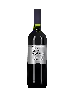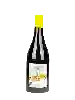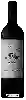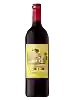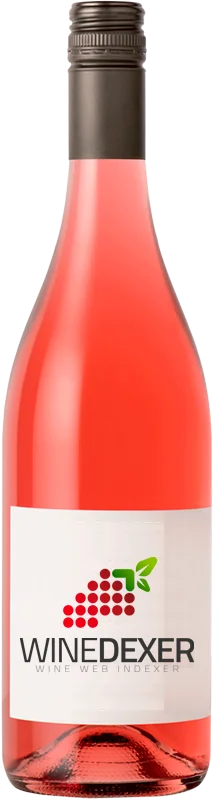
Château CazeFronton Rosé
 Pink wine
This wine generally goes well with beef, lamb or mature and hard cheese.

Food and wine pairings with Fronton Rosé
Pairings that work perfectly with Fronton Rosé



Original food and wine pairings with Fronton Rosé

The Fronton Rosé of Château Caze matches generally quite well with dishes of beef, lamb or spicy food such as recipes of daube niçoise, leg of lamb in a herb crust with preserved vegetables or garantita or karantita (algerian recipe).
Details and technical informations about Château Caze's Fronton Rosé.
Discover the grape variety: Négrette
Supple, perfumed reds with a deep ruby robe, smooth tannins and a round palate, with intense, characteristic aromas of violet, red fruit (raspberry, blackcurrant), liquorice, soft spice and peppery notes. Gourmand finish; best young or short ageing. The near-exclusive star of Fronton AOC north of Toulouse (minimum 50% in blends), also made as expressive rosés. Autochthonous South-West French variety, possibly brought from Cyprus by the Knights Hospitaller.
Informations about the Château Caze
The Château Caze is one of of the world's greatest estates. It offers 4 wines for sale in the of Fronton to come and discover on site or to buy online.

The wine region of Fronton
South-West AOC north of Toulouse around its fetish grape: signature Negrette as king red (50-70%) — deep robe with signature notes of violet, peony, blackcurrant, blackberry, raspberry, liquorice, sweet spices and a peppery touch, supple tannins and elegant freshness, moreishness and persistent floral finish. Syrah, Cabernets, Cot, Gamay as backup. Fresh, aromatic rosés equally emblematic. AOC (1975), ~2,000 ha on gravelly terraces, temperate climate.
The wine region of South West
French mosaic of strong identities south of Bordeaux. Cahors and its Malbec ("black wine"): deep reds with notes of blackberry, plum, violet, tobacco and cocoa, firm tannins. Madiran and its dense, age-worthy Tannat. Jurançon whites: golden sweet (apricot, honey, pineapple) and lively dry from Petit Manseng.
The word of the wine: Cellar
A place for storing and ageing wines in bottles. This term designates both the cellar of a private individual and that of a restaurant. It is also a store dedicated to the retail sale of wine.