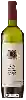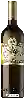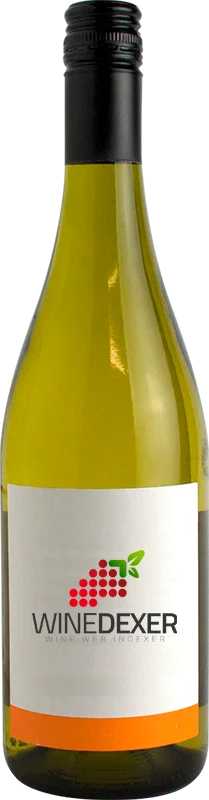
Cave ValcombeNoble Cépage Heida du Valais
 White wine



This wine generally goes well with

Details and technical informations about Cave Valcombe's Noble Cépage Heida du Valais.
Discover the grape variety: Pecorino
Structured, aromatic whites with firm acidity and an ample mouth, featuring aromas of citrus, yellow peach, aromatic herbs (sage, thyme), almond, white flowers and saline mineral notes. Fine length and ageing capacity. Star of Offida Pecorino DOCG in the Marche and Abruzzo Pecorino DOC, driving force behind the revival of great modern Adriatic whites. Native Italian grape rediscovered in the 1980s after near-disappearance.
Last vintages of this wine
The best vintages of Noble Cépage Heida du Valais from Cave Valcombe are 2018, 2017, 2016
Informations about the Cave Valcombe
The Cave Valcombe is one of of the world's greatest estates. It offers 31 wines for sale in the of Valais to come and discover on site or to buy online.

The wine region of Valais
Switzerland's largest vineyard, capital of native grapes. Straight, precise alpine whites: light, floral Chasselas (Fendant), signature Petite Arvine with saline, grapefruit and rhubarb notes, rich, apricoty Amigne, mineral Humagne Blanche. Altitude reds: fine Pinot Noir, crisp Gamay, native Cornalin and Humagne Rouge, spicy and deep. Highly precise alpine age-worthy wines.
The word of the wine: Primeur
Said of wines from the last vintage and, by extension, wines of the year, fruity and easy-drinking, put on sale on the third Thursday in November. The AOC regulations specify that a wine is said to be primeur if it is bottled before the spring, and nouveau if it is bottled before the following harvest. Beaujolais Nouveau is therefore a vin primeur.