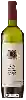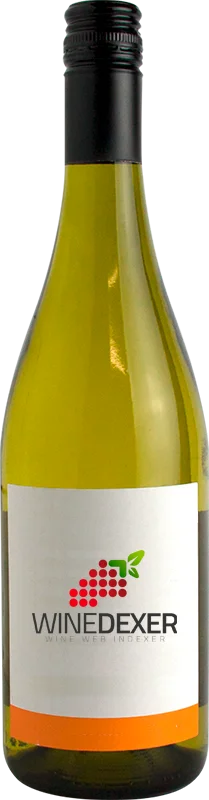
Cave St. SeverinMuscat
 White wine


This wine generally goes well with spicy food and sweet desserts.

Food and wine pairings with Muscat
Pairings that work perfectly with Muscat


Original food and wine pairings with Muscat
The Muscat of Cave St. Severin matches generally quite well with dishes of spicy food or sweet desserts such as recipes of seafood, chorizo and chicken paella from patou or express cherry clafoutis.
Details and technical informations about Cave St. Severin's Muscat.
Discover the grape variety: Colombaud
Simple and lively dry whites with a pale golden colour, juicy palate and refreshing acidity, with understated aromas of white flowers, citrus (lemon) and herbaceous notes. Thirst-quenching profile to drink young, long used as a table and blending grape in Provence. Now almost extinct, preserved in a few heritage plots in the Var and in ampelographic collections. An indigenous French white variety from Provence.
Last vintages of this wine

The best vintages of Muscat from Cave St. Severin are 2019, 0, 2015
Informations about the Cave St. Severin
The Cave St. Severin is one of of the world's greatest estates. It offers 11 wines for sale in the of Valais to come and discover on site or to buy online.

The wine region of Valais
Switzerland's largest vineyard, capital of native grapes. Straight, precise alpine whites: light, floral Chasselas (Fendant), signature Petite Arvine with saline, grapefruit and rhubarb notes, rich, apricoty Amigne, mineral Humagne Blanche. Altitude reds: fine Pinot Noir, crisp Gamay, native Cornalin and Humagne Rouge, spicy and deep. Highly precise alpine age-worthy wines.
The word of the wine: Second wine
In the Bordeaux vineyard, the second wine is a lesser-aged wine made from the youngest vines, while the main wine of the château is called the "grand vin".