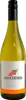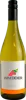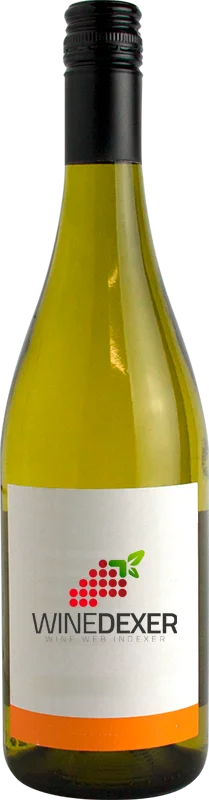
Cave le TambourinChasselas
 White wine


In the mouth this white wine is a with a nice freshness.
This wine generally goes well with poultry, lean fish or mild and soft cheese.
Taste structure of the Chasselas from the Cave le Tambourin
Light | Bold | |
Dry | Sweet | |
Soft | Acidic |
In the mouth the Chasselas of Cave le Tambourin in the region of Valais is a with a nice freshness.
Food and wine pairings with Chasselas
Pairings that work perfectly with Chasselas



Original food and wine pairings with Chasselas

The Chasselas of Cave le Tambourin matches generally quite well with dishes of poultry, lean fish or mild and soft cheese such as recipes of magic cake cheese quiche, fish and shrimp curry or jalapeños poppers (chili cheese fritters).
Details and technical informations about Cave le Tambourin's Chasselas.
Discover the grape variety: Chasselas
Chasselas rosé is a grape variety that originated in France. It produces a variety of grape used to make wine. However, it can also be found eating on our tables! This variety of vine is characterized by medium-sized bunches and medium-sized grapes. Chasselas rosé can be found in several vineyards: Alsace, South-West, Cognac, Bordeaux, Loire Valley, Rhone Valley, Languedoc & Roussillon, Provence & Corsica, Savoie & Bugey, Beaujolais.
Last vintages of this wine
The best vintages of Chasselas from Cave le Tambourin are 0
Informations about the Cave le Tambourin
The Cave le Tambourin is one of of the world's greatest estates. It offers 15 wines for sale in the of Valais to come and discover on site or to buy online.

The wine region of Valais
The Valais is the largest wine region and appellation in Switzerland, responsible for around one third of the country's total wine production. The main Vineyard area covers the southeast-facing slopes of the dramatic Rhône river valley as the glacial waters run southwest between Leuk (Loeche in French) and Fully. The river changes direction at Martigny and then runs northwest to exit the valley and empty into Lac Léman (Lake Geneva). Vineyard area here comes to around 4,800 hectares (11,800 acres) and is generally located on (often steep) slopes and terraces between the flat, fertile, Heavy soils at the bottom of the valley - often given over to fruit production, industry and urban development - and the bare rock of the mountainside that towers above.
The word of the wine: Ice wine
Sweet wine obtained by pressing frozen berries harvested in the middle of winter.