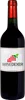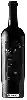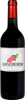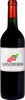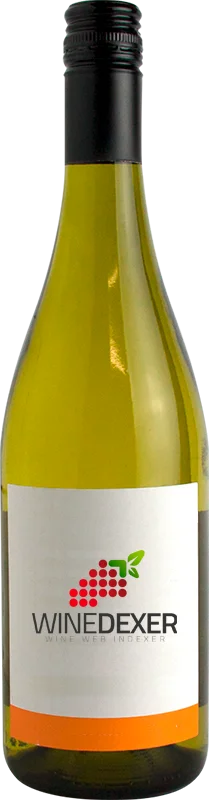
Cave La FournaiseLe Funambule Assemblage
 White wine



This wine generally goes well with spicy food and sweet desserts.
Food and wine pairings with Le Funambule Assemblage
Pairings that work perfectly with Le Funambule Assemblage

Original food and wine pairings with Le Funambule Assemblage
The Le Funambule Assemblage of Cave La Fournaise matches generally quite well with dishes of spicy food or sweet desserts such as recipes of roast doe in the oven or very simple muffins.
Details and technical informations about Cave La Fournaise's Le Funambule Assemblage.
Discover the grape variety: Floreal
A wine grape variety of the INRA-Resdur1 series with polygenic resistance (two genes for mildew and powdery mildew have been identified), resulting from an interspecific cross between Villaris and Mtp 3159-2-12 (for the latter, one of its parents is Vitis rotundifolia, which is resistant to Pierce's disease, mildew, grey rot, etc.). Little multiplied, it is registered in the Official Catalogue of wine grape varieties list A1.
Last vintages of this wine
The best vintages of Le Funambule Assemblage from Cave La Fournaise are 2018, 0
Informations about the Cave La Fournaise
The Cave La Fournaise is one of of the world's great estates. It offers 23 wines for sale in the of Valais to come and discover on site or to buy online.

The wine region of Valais
The Valais is the largest wine region and appellation in Switzerland, responsible for around one third of the country's total wine production. The main Vineyard area covers the southeast-facing slopes of the dramatic Rhône river valley as the glacial waters run southwest between Leuk (Loeche in French) and Fully. The river changes direction at Martigny and then runs northwest to exit the valley and empty into Lac Léman (Lake Geneva). Vineyard area here comes to around 4,800 hectares (11,800 acres) and is generally located on (often steep) slopes and terraces between the flat, fertile, Heavy soils at the bottom of the valley - often given over to fruit production, industry and urban development - and the bare rock of the mountainside that towers above.
The word of the wine: Liqueur wine
Unfermented must with added brandy, also called liqueur wine: Pineau des Charentes, Floc de Gascogne, Macvin du Jura, Ratafia, Cartagène du Languedoc.