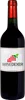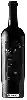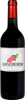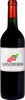
Cave La FournaiseCaresse du Sud Merlot
 Red wine
In the mouth this red wine is a powerful with a nice balance between acidity and tannins.
This wine generally goes well with beef, veal or lamb.
Taste structure of the Caresse du Sud Merlot from the Cave La Fournaise
Light | Bold | |
Smooth | Tannic | |
Dry | Sweet | |
Soft | Acidic |
In the mouth the Caresse du Sud Merlot of Cave La Fournaise in the region of Valais is a powerful with a nice balance between acidity and tannins.
Food and wine pairings with Caresse du Sud Merlot
Pairings that work perfectly with Caresse du Sud Merlot



Original food and wine pairings with Caresse du Sud Merlot
The Caresse du Sud Merlot of Cave La Fournaise matches generally quite well with dishes of beef, lamb or veal such as recipes of quick and easy monkfish tail, leg of lamb in a herb crust with preserved vegetables or pasta with veal stock sauce.
Details and technical informations about Cave La Fournaise's Caresse du Sud Merlot.
Discover the grape variety: Merlot
Merlot noir is a grape variety that originated in France (Bordeaux). It produces a variety of grape specially used for wine making. It is rare to find this grape to eat on our tables. This variety of grape is characterized by small to medium sized bunches, and medium sized grapes. Merlot noir can be found in many vineyards: South West, Languedoc & Roussillon, Cognac, Bordeaux, Loire Valley, Armagnac, Burgundy, Jura, Champagne, Rhone Valley, Beaujolais, Provence & Corsica, Savoie & Bugey.
Informations about the Cave La Fournaise
The Cave La Fournaise is one of of the world's greatest estates. It offers 23 wines for sale in the of Valais to come and discover on site or to buy online.

The wine region of Valais
The Valais is the largest wine region and appellation in Switzerland, responsible for around one third of the country's total wine production. The main Vineyard area covers the southeast-facing slopes of the dramatic Rhône river valley as the glacial waters run southwest between Leuk (Loeche in French) and Fully. The river changes direction at Martigny and then runs northwest to exit the valley and empty into Lac Léman (Lake Geneva). Vineyard area here comes to around 4,800 hectares (11,800 acres) and is generally located on (often steep) slopes and terraces between the flat, fertile, Heavy soils at the bottom of the valley - often given over to fruit production, industry and urban development - and the bare rock of the mountainside that towers above.
The word of the wine: Côte des Bar
This is the name given to the vineyards of the Aube, which are closer to Burgundy, and some of the wines produced here bear witness to this proximity. The pinot noir dominates, the meunier is practically absent. Two crus have become references: Riceys, where a rosé without bubbles is also produced, and Montgueux near Troyes, renowned for its Chardonnay.