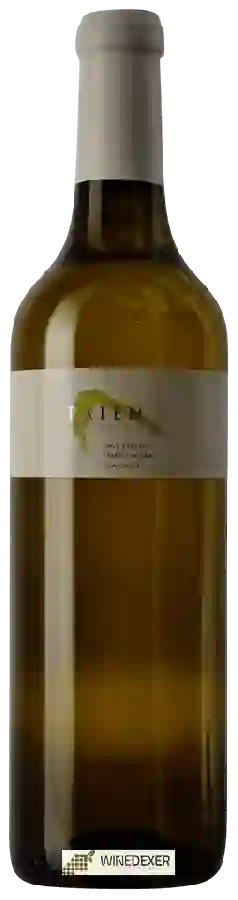
Cave ArdévazPaïen
 White wine


This wine generally goes well with vegetarian, rich fish (salmon, tuna etc) or shellfish.

Wine flavors and olphactive analysis

On the nose the Païen of Cave Ardévaz in the region of Valais often reveals types of flavors of tree fruit.
Food and wine pairings with Païen
Pairings that work perfectly with Païen



Original food and wine pairings with Païen
The Païen of Cave Ardévaz matches generally quite well with dishes of rich fish (salmon, tuna etc), shellfish or vegetarian such as recipes of braids of sole and salmon with morels, mussels with rosemary and barbecue or magic cake cheese quiche.
Details and technical informations about Cave Ardévaz's Païen.
Discover the grape variety: Monastrell
Powerful, structured reds with an almost black inky hue, firm tannins and a dense palate, with intense aromas of ripe black fruits (blackberry, plum), candied cherry, garrigue, Mediterranean herbs, black pepper, leather, liquorice and animal notes. Fine ageing potential, high-alcohol solar wines. Star of Jumilla DO, Yecla DO, Bullas DO and Alicante DO in south-eastern Spain. Spanish synonym for Mediterranean mourvèdre, identity signature of sunny Spain.
Last vintages of this wine

The best vintages of Païen from Cave Ardévaz are 2012, 2014, 2018, 2015 and 2016.
Informations about the Cave Ardévaz
The Cave Ardévaz is one of of the world's greatest estates. It offers 34 wines for sale in the of Valais to come and discover on site or to buy online.

The wine region of Valais
Switzerland's largest vineyard, capital of native grapes. Straight, precise alpine whites: light, floral Chasselas (Fendant), signature Petite Arvine with saline, grapefruit and rhubarb notes, rich, apricoty Amigne, mineral Humagne Blanche. Altitude reds: fine Pinot Noir, crisp Gamay, native Cornalin and Humagne Rouge, spicy and deep. Highly precise alpine age-worthy wines.
The word of the wine: Astringency
Chemical stimulation that tightens the mucous membranes of the mouth and causes a sensation of harshness, which is characteristic of the presence of tannins. With time, the tannins lose their harshness and become softer.