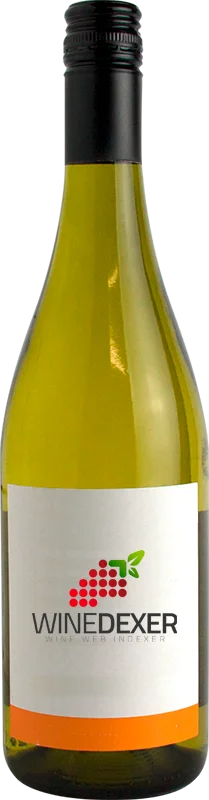
Winery Castillo de PanizaBlanco
 White wine



This wine generally goes well with
Details and technical informations about Winery Castillo de Paniza's Blanco.
Discover the grape variety: Emerald seedless
Cross between the emperor and the Pirovano 75 or sultana moscata obtained in the United States by Professor Harold P. Olmo of the University of Davis (California). It can be found in Australia, Spain, Portugal, United States, ... almost unknown in France. It should not be confused with the emerald riesling also obtained by Harold P. Olmo and the black emerald seedless which as its name indicates is black.
Last vintages of this wine
The best vintages of Blanco from Winery Castillo de Paniza are 0, 2011
Informations about the Winery Castillo de Paniza
The Winery Castillo de Paniza is one of of the world's greatest estates. It offers 4 wines for sale in the of Cariñena to come and discover on site or to buy online.

The wine region of Cariñena
The wine region of Cariñena is located in the region of Aragon of Spain. Wineries and vineyards like the Domaine Pago Aylés or the Domaine Viñedos y Bodegas Pablo produce mainly wines red, white and pink. The most planted grape varieties in the region of Cariñena are Tempranillo, Cabernet-Sauvignon and Merlot, they are then used in wines in blends or as a single variety. On the nose of Cariñena often reveals types of flavors of cherry, cinnamon or white pepper and sometimes also flavors of cheese, tobacco or chard.
The wine region of Aragon
Aragon is one of Spain's 17 autonomous communities. Located in the North of the country, it stretches from the imposing Pyrenees mountains in the South to the vast Central Iberian plateau. To the east of Aragon Lies Catalonia, while La Rioja, Castilla y Leon and Navarra are its neighbours to the west. Aragon encompasses the eastward flowing Ebro River and its vast valley, the river being one of the largest and most important in Spain.
The word of the wine: Alcoholic fermentation
Transformation of sugars into alcohol under the effect of yeast. These yeasts exist in their natural state in the vineyards and in the cellars. Artificial seeding with selected yeasts is however very often practiced.