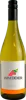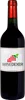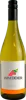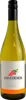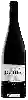
Winery Castillo AlonsoGarnacha
 Red wine


In the mouth this red wine is a powerful.
This wine generally goes well with poultry, beef or game (deer, venison).

Taste structure of the Garnacha from the Winery Castillo Alonso
Light | Bold | |
Smooth | Tannic | |
Dry | Sweet | |
Soft | Acidic |
In the mouth the Garnacha of Winery Castillo Alonso in the region of Galice is a powerful.
Food and wine pairings with Garnacha
Pairings that work perfectly with Garnacha



Original food and wine pairings with Garnacha


The Garnacha of Winery Castillo Alonso matches generally quite well with dishes of beef, pasta or lamb such as recipes of simple baked roast beef, generous flaky quiche or original mafé with okra.
Details and technical informations about Winery Castillo Alonso's Garnacha.
Discover the grape variety: Tourbat
Structured and aromatic dry whites with a pale golden hue, an ample palate with preserved acidity, and signature aromas of citrus (lemon, grapefruit), white flowers, white-fleshed fruits and saline mineral notes. Refined Mediterranean profile. Contributes to distinctive Roussillon blends. French autochthonous white grape from Roussillon, identical to the Sardinian Torbato according to genetic analyses, grown in small quantities.
Last vintages of this wine
The best vintages of Garnacha from Winery Castillo Alonso are 0
Informations about the Winery Castillo Alonso
The Winery Castillo Alonso is one of of the world's greatest estates. It offers 13 wines for sale in the of Galice to come and discover on site or to buy online.

The wine region of Galice
Oceanic northwest Spain, cradle of the great Iberian whites. Signature Albarino of Rias Baixas: lively, saline whites with signature notes of citrus, white peach, white flowers, fresh almond and iodine minerality, a taut palate — a perfect match for Atlantic seafood. Also premium Godello (pear, citrus, butter), aromatic Treixadura. Supple Mencia reds (raspberry, herbs, graphite).
The word of the wine: Decommissioning
Removal of the right to the appellation of origin of a wine; it is then marketed as Vin de France.