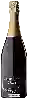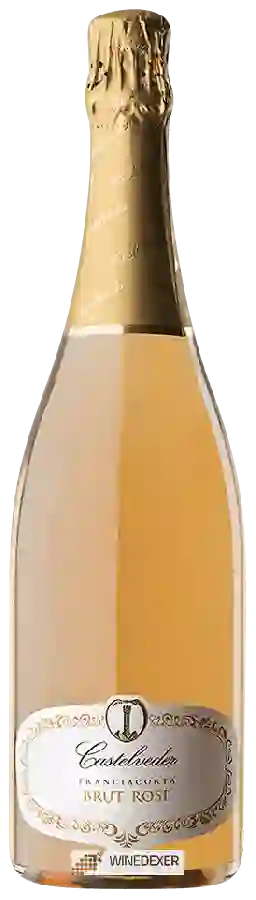
Winery CastelvederBrut Rosé
 Sparkling wine



This wine generally goes well with pork, poultry or beef.

Wine flavors and olphactive analysis

On the nose the Brut Rosé of Winery Castelveder in the region of Lombardia often reveals types of flavors of earth.
Food and wine pairings with Brut Rosé
Pairings that work perfectly with Brut Rosé



Original food and wine pairings with Brut Rosé


The Brut Rosé of Winery Castelveder matches generally quite well with dishes of beef, lamb or pork such as recipes of kamounia : tunisian beef stew, traditional lamb couscous (from algeria) or nanie's diced ham quiche.
Details and technical informations about Winery Castelveder's Brut Rosé.
Discover the grape variety: Riminèse
Simple, fresh dry whites with a pale golden colour, a supple palate with moderate acidity, and understated aromas of citrus and white flowers. Discreet rustic profile. Preserved in a few ampelographic collections for its heritage value, it belongs to the group of ancient varieties that have virtually disappeared from commercial production. A rare white grape variety, poorly documented, grown in negligible quantities.
Last vintages of this wine
The best vintages of Brut Rosé from Winery Castelveder are 2017, 2009, 2016, 0
Informations about the Winery Castelveder
The Winery Castelveder is one of of the world's greatest estates. It offers 8 wines for sale in the of Franciacorta to come and discover on site or to buy online.

The wine region of Franciacorta
The Italian Champagne, the country's largest DOCG zone for classic-method sparklers. Fine, refined bubbles with signature notes of green apple, citrus, brioche, toasted almond and white flowers, taut and creamy finish (18 months minimum on lees, up to 60 for Riserva). Based on dominant Chardonnay, Pinot Noir for structure, Pinot Blanc for roundness. Satèn (low pressure, silky) and fruity rosé versions.
The wine region of Lombardia
Three poles. Franciacorta DOCG, Italy's answer to Champagne: elegant brioche traditional-method sparklers (Chardonnay, Pinot Noir, Pinot Blanc), fine bubble and mineral profile. Alpine Valtellina: Nebbiolo (alias Chiavennasca) with fine tannins and red fruits, powerful Sforzato passito. Oltrepò Pavese: fresh Pinot Noir and fruity-sparkling Bonarda.
The word of the wine: Reassembly
During the vinification process, a "cap" is formed at the top of the vats with the solid parts (skin, pulp, pips, etc.), which contain tannins and colouring elements. Pumping over consists of emptying the vat from the bottom and pouring the juice back to the top, in order to mix the cap and the juice and to favour the exchange and the extraction. This old technique allows a better exchange between the solid parts and the liquid.