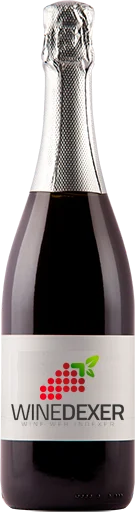
Winery CastelloreProsecco
 Sparkling wine


This wine generally goes well with appetizers and snacks, rich fish (salmon, tuna etc) or shellfish.
Wine flavors and olphactive analysis



On the nose the Prosecco of Winery Castellore in the region of Veneto often reveals types of flavors of microbio, vegetal or tree fruit and sometimes also flavors of citrus fruit, tropical fruit.
Food and wine pairings with Prosecco
Pairings that work perfectly with Prosecco



Original food and wine pairings with Prosecco


The Prosecco of Winery Castellore matches generally quite well with dishes of rich fish (salmon, tuna etc), shellfish or mature and hard cheese such as recipes of tuna provencal style, seafood, chorizo and chicken paella from patou or titgazelle's herring and leek pie.
Details and technical informations about Winery Castellore's Prosecco.
Discover the grape variety: Muscardin
Muscardin noir is a grape variety that originated in France (Vaucluse). It produces a variety of grape specially used for wine making. It is rare to find this grape to eat on our tables. This variety of grape is characterized by bunches of medium size, and grapes of medium caliber. The Muscardin noir can be found in several vineyards: South-West, Cognac, Bordeaux, Rhône valley, Provence & Corsica, Loire valley, Savoie & Bugey, Beaujolais, Languedoc & Roussillon.
Last vintages of this wine
The best vintages of Prosecco from Winery Castellore are 0
Informations about the Winery Castellore
The Winery Castellore is one of of the world's great estates. It offers 55 wines for sale in the of Prosecco to come and discover on site or to buy online.

The wine region of Prosecco
The wine region of Prosecco is located in the region of Vénétie of Italy. We currently count 1461 estates and châteaux in the of Prosecco, producing 2419 different wines in conventional, organic and biodynamic agriculture. The wines of Prosecco go well with generally quite well with dishes .
The wine region of Veneto
Veneto is an important and growing wine region in northeastern Italy. Veneto is administratively Part of the Triveneto area, aLong with its smaller neighbors, Trentino-Alto Adige and Friuli-Venezia Giulia. In terms of geography, culture and wine styles, it represents a transition from the Alpine and Germanic-Slavic end of Italy to the warmer, drier, more Roman lands to the South. Veneto is slightly smaller than the other major Italian wine regions - Piedmont, Tuscany, Lombardy, Puglia and Sicily - but it produces more wine than any of them.
The word of the wine: Heida
See savagnin.