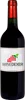
Winery Casali AureliaPicchio Rosso
 Red wine


In the mouth this red wine is a powerful.
This wine generally goes well with beef, game (deer, venison) or lamb.

Taste structure of the Picchio Rosso from the Winery Casali Aurelia
Light | Bold | |
Smooth | Tannic | |
Dry | Sweet | |
Soft | Acidic |
In the mouth the Picchio Rosso of Winery Casali Aurelia in the region of Friuli-Venezia Giulia is a powerful.
Food and wine pairings with Picchio Rosso
Pairings that work perfectly with Picchio Rosso



Original food and wine pairings with Picchio Rosso

The Picchio Rosso of Winery Casali Aurelia matches generally quite well with dishes of beef, pasta or lamb such as recipes of fresh sausage, zucchini and goat cheese lasagna or lamb stew.
Details and technical informations about Winery Casali Aurelia's Picchio Rosso.
Discover the grape variety: Gamay Fréaux
Deeply coloured, simple reds with an opaque purple hue (red pulp), supple tannins and a light palate with moderate acidity, showing discreet red fruit aromas. Teinturier profile. Formerly used to intensify the colour of southern and Burgundian blends, now marginal, surviving in a few variety collections for its patrimonial value and genetic interest. Teinturier variation of Gamay developed in the 19th century.
Last vintages of this wine
The best vintages of Picchio Rosso from Winery Casali Aurelia are 2008, 0
Informations about the Winery Casali Aurelia
The Winery Casali Aurelia is one of of the world's greatest estates. It offers 5 wines for sale in the of Friuli-Venezia Giulia to come and discover on site or to buy online.

The wine region of Friuli-Venezia Giulia
Italian benchmark of great whites of elegance and minerality. Emblematic Friulano with notes of fresh almond, pear and white flowers, taut Ribolla Gialla, precise Pinot Grigio, lively Sauvignon and balanced Chardonnay. Rare sweet Picolit (DOCG), saline Malvasia Istriana. Rising reds: fruity spicy Refosco, more tannic Pignolo and Schioppettino.
The word of the wine: Serious
A Bordeaux term for small pebbles from the Pyrenees, eroded, rounded and transported by the Garonne to Aquitaine. They are mainly found on the left bank in the area.... known as the Graves, and further downstream in the Médoc. By extension, gravel is found in other regions, brought by other rivers or even glaciers.