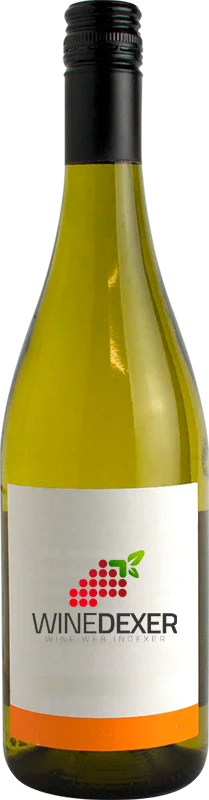
Winery Casale VallechiesaSolo Lui Bombino Bianco
 White wine
In the mouth this white wine is a with a nice freshness.
This wine generally goes well with vegetarian, appetizers and snacks or lean fish.

Taste structure of the Solo Lui Bombino Bianco from the Winery Casale Vallechiesa
Light | Bold | |
Dry | Sweet | |
Soft | Acidic |
In the mouth the Solo Lui Bombino Bianco of Winery Casale Vallechiesa in the region of Lazio is a with a nice freshness.
Food and wine pairings with Solo Lui Bombino Bianco
Pairings that work perfectly with Solo Lui Bombino Bianco



Original food and wine pairings with Solo Lui Bombino Bianco


The Solo Lui Bombino Bianco of Winery Casale Vallechiesa matches generally quite well with dishes of pasta, vegetarian or appetizers and snacks such as recipes of tagliatelle with seafood and saffron cream, quiche lorraine or fake foie gras.
Details and technical informations about Winery Casale Vallechiesa's Solo Lui Bombino Bianco.
Discover the grape variety: Amaral
Light, acidic reds best drunk young, with a sustained ruby robe, silky tannins and a lively palate showing fresh red fruits (cherry, raspberry), inky notes and a herbaceous hint. Crisp and refreshing. Often blended with Vinhão and Espadeiro, contributing to the bright profile of Vinho Verde tinto DOC. Native Portuguese black grape grown mainly in the Vinho Verde region of north-west Portugal.
Informations about the Winery Casale Vallechiesa
The Winery Casale Vallechiesa is one of of the world's great estates. It offers 23 wines for sale in the of Lazio to come and discover on site or to buy online.

The wine region of Lazio
Two-millennia Roman vineyard, predominantly white on the volcanic soils of the Castelli Romani. Frascati DOC as figurehead: fresh, accessible whites based on Malvasia and Trebbiano, notes of green apple, white flowers and almond, slightly bitter finish. Also Bellone and Grechetto. Emblematic red: Cesanese del Piglio DOCG, fleshy with notes of ripe cherry, dry herbs and spice, round tannins.
The word of the wine: Sweet
Generic term for wines containing residual sugar (natural sugars in the grapes that have not been transformed into alcohol). It is also used to describe a wine with a dominantly sweet flavour, without further explanation.