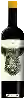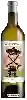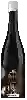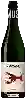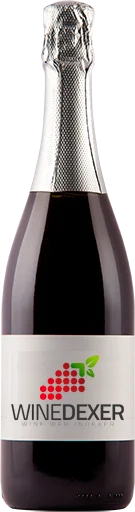
Winery Casa RojoCava 1919 Brut Rosé Cuvée Sélección Garnacha Tinta
 Sparkling wine



In the mouth this sparkling wine is a with a nice vivacity and a fine and pleasant bubble.
This wine generally goes well with appetizers and snacks, lean fish or shellfish.

Taste structure of the Cava 1919 Brut Rosé Cuvée Sélección Garnacha Tinta from the Winery Casa Rojo
Light | Bold | |
Soft | Acidic | |
Gentle | Fizzy |
In the mouth the Cava 1919 Brut Rosé Cuvée Sélección Garnacha Tinta of Winery Casa Rojo in the region of Cava is a with a nice vivacity and a fine and pleasant bubble.
Wine flavors and olphactive analysis



On the nose the Cava 1919 Brut Rosé Cuvée Sélección Garnacha Tinta of Winery Casa Rojo in the region of Cava often reveals types of flavors of oak, red fruit.
Food and wine pairings with Cava 1919 Brut Rosé Cuvée Sélección Garnacha Tinta
Pairings that work perfectly with Cava 1919 Brut Rosé Cuvée Sélección Garnacha Tinta



Original food and wine pairings with Cava 1919 Brut Rosé Cuvée Sélección Garnacha Tinta


The Cava 1919 Brut Rosé Cuvée Sélección Garnacha Tinta of Winery Casa Rojo matches generally quite well with dishes of shellfish, appetizers and snacks or lean fish such as recipes of lobster tail armorican style, pretzels (alsace) or couscous from the sea.
Details and technical informations about Winery Casa Rojo's Cava 1919 Brut Rosé Cuvée Sélección Garnacha Tinta.
Discover the grape variety: Arinto
Crisp and structured whites with very high acidity, pale golden colour, taut mouth, with signature aromas of lemon, green apple, white flowers and mineral notes. Ages beautifully gaining citrusy and resinous notes. Star of Bucelas DOC, also found in Vinho Verde, Tejo, Alentejo and Dão. Traditional Portuguese white grape defining the identity of age-worthy Portuguese whites.
Last vintages of this wine
The best vintages of Cava 1919 Brut Rosé Cuvée Sélección Garnacha Tinta from Winery Casa Rojo are 2014, 0
Informations about the Winery Casa Rojo
The Winery Casa Rojo is one of of the world's great estates. It offers 68 wines for sale in the of Cava to come and discover on site or to buy online.

The wine region of Cava
Spain's star traditional-method sparkler, the Iberian equivalent of Champagne. Three Catalan grapes blended: Macabeo (apple, freshness), Xarel-lo (body and herbaceous notes), Parellada (elegance and floral finesse). Chardonnay and Pinot Noir also allowed. From fruit-driven Brut to Gran Reserva (30 months on lees) with brioche and toasted notes.
The word of the wine: Removal of shoes
In the spring, this operation consists of removing the mound of earth formed at the foot of the vines by ploughing between the rows in the autumn.