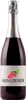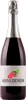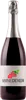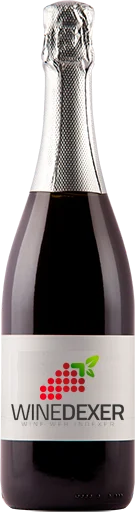
Winery Casa de PiedraEP+bn Espuma de Piedra
 Sparkling wine


This wine generally goes well with
The EP+bn Espuma de Piedra of the Winery Casa de Piedra is in the top 50 of wines of Baja California.
Wine flavors and olphactive analysis

On the nose the EP+bn Espuma de Piedra of Winery Casa de Piedra in the region of North often reveals types of flavors of earth, tree fruit or tropical fruit.
Details and technical informations about Winery Casa de Piedra's EP+bn Espuma de Piedra.
Discover the grape variety: Pinotage
An intraspecific cross between pinot noir and cinsaut called hermitage, obtained in South Africa in 1925 by Professor Abraham Izak Perold. Since then, it has been propagated in Africa, New Zealand, Australia, the United States (California), Canada, Brazil, Israel, etc. In France, it is practically unknown, although it is registered in the Official Catalogue of Vine Varieties on the A1 list. - Synonymy: none to date (for all the synonyms of the varieties, click here!).
Last vintages of this wine
The best vintages of EP+bn Espuma de Piedra from Winery Casa de Piedra are 2017, 2010, 0
Informations about the Winery Casa de Piedra
The Winery Casa de Piedra is one of of the world's greatest estates. It offers 13 wines for sale in the of Baja California to come and discover on site or to buy online.

The wine region of Baja California
The wine region of Baja California is located in the region of North of Mexico. Wineries and vineyards like the Domaine Baron Balche or the Domaine Santo Tomás produce mainly wines red and sweet. The most planted grape varieties in the region of Baja California are Cabernet-Sauvignon, Tempranillo and Nebbiolo, they are then used in wines in blends or as a single variety. On the nose of Baja California often reveals types of flavors of oaky, smoke or plum and sometimes also flavors of black fruits, non oak or earth.
The wine region of North
Valle de Guadalupe is the key wine region in the state of Baja California, Mexico. Baja California, in turn, is responsible for 90 percent national wine production. At the heart of the valley is Guadalupe Village, which Lies 14 miles (20km) North of Ensenada city. The valley runs northeast to southwest on either side of Guadalupe, stretching from the Pacific coast inland for roughly 20 miles (32 km).
The word of the wine: Draft liquor (champagne)
After blending, the wine is bottled with a liqueur de tirage (a mixture of sugar and wine) and a yeast (selected yeasts). The yeast attacks the sugar and creates carbon dioxide. The fermentation, which lasts about two months, is prolonged by an ageing period (15 months minimum in total). The bottle is capped (some rare vintages are capped with a staple and a cork).