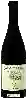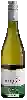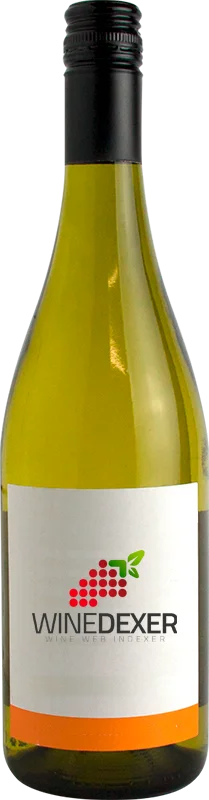
Château Cap de FousteSant Galdric Muscat Sec
 White wine
This wine generally goes well with vegetarian, poultry or lean fish.
Food and wine pairings with Sant Galdric Muscat Sec
Pairings that work perfectly with Sant Galdric Muscat Sec



Original food and wine pairings with Sant Galdric Muscat Sec


The Sant Galdric Muscat Sec of Château Cap de Fouste matches generally quite well with dishes of pasta, vegetarian or poultry such as recipes of wok of chinese noodles with vegetables, broccoli and blue cheese quiche without pastry or chicken and mushroom risotto.
Details and technical informations about Château Cap de Fouste's Sant Galdric Muscat Sec.
Discover the grape variety: Pirobella
Interspecific crossing, obtained in South Africa in the 1960s by E.P. Evans, between the 15 Pirovano (madeleine angevine X bellino) and the isabelle. It should be noted that from this cross was also born the black muska.
Informations about the Château Cap de Fouste
The Château Cap de Fouste is one of wineries to follow in Languedoc-Roussillon.. It offers 23 wines for sale in the of Languedoc-Roussillon to come and discover on site or to buy online.

The wine region of Languedoc-Roussillon
Languedoc (formerly Coteaux du Languedoc) is a key appellation used in the Languedoc-Roussillon wine region of southern France. It covers Dry table wines of all three colors (red, white and rosé) from the entire region, but leaves Sweet and Sparkling wines to other more specialized appellations. About 75% of all Languedoc wines are red, with the remaining 25% split roughly down the middle between whites and rosés. The appellation covers most of the Languedoc region and almost a third of all the vineyards in France.
The word of the wine: Hygrometry
Humidity level of the cellar necessary for a good ageing of the wines. The recommended hygrometry is around 70% in order to guarantee a good elasticity of the corks while preserving the labels.