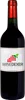
Winery Cantine VolpiSangiovese Marche Organic
 Red wine



In the mouth this red wine is a with a nice freshness.
This wine generally goes well with poultry, beef or veal.
Taste structure of the Sangiovese Marche Organic from the Winery Cantine Volpi
Light | Bold | |
Smooth | Tannic | |
Dry | Sweet | |
Soft | Acidic |
In the mouth the Sangiovese Marche Organic of Winery Cantine Volpi in the region of Marche is a with a nice freshness.
Food and wine pairings with Sangiovese Marche Organic
Pairings that work perfectly with Sangiovese Marche Organic



Original food and wine pairings with Sangiovese Marche Organic

The Sangiovese Marche Organic of Winery Cantine Volpi matches generally quite well with dishes of beef, pasta or veal such as recipes of beef tagliata with truffle oil, cannelloni with parma ham or grenadins of veal with ceps.
Details and technical informations about Winery Cantine Volpi's Sangiovese Marche Organic.
Discover the grape variety: Sangiovese
Originally from Italy, it is the famous Sangiovese of Tuscany producing the famous wines of Brunello de Montalcino and Chianti. This variety is registered in the Official Catalogue of Wine Grape Varieties, list A1. According to recent genetic analysis, it is the result of a natural cross between the almost unknown Calabrese di Montenuovo (mother) and Ciliegiolo (father).
Last vintages of this wine
The best vintages of Sangiovese Marche Organic from Winery Cantine Volpi are 2019, 2018, 0, 2020
Informations about the Winery Cantine Volpi
The Winery Cantine Volpi is one of of the world's great estates. It offers 82 wines for sale in the of Marche to come and discover on site or to buy online.

The wine region of Marche
Marche (or Le Marche; pronounced Mar-kay) is a region in eastern CentralItaly. It is most associated with white wines made from Trebbiano and Verdicchio grapes. Marche occupies a roughly triangular area. Its longer sides are formed by the Apennine Mountains to the west and the Adriatic Sea to the east.
The word of the wine: Cellar
A place for storing and ageing wines in bottles. This term designates both the cellar of a private individual and that of a restaurant. It is also a store dedicated to the retail sale of wine.