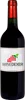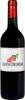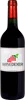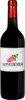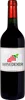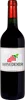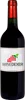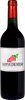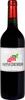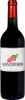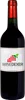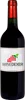
Winery Cantine SanpancrazioCupid Negroamaro - Primitivo
 Red wine
In the mouth this red wine is a powerful.
This wine generally goes well with beef, lamb or pasta.

Taste structure of the Cupid Negroamaro - Primitivo from the Winery Cantine Sanpancrazio
Light | Bold | |
Smooth | Tannic | |
Dry | Sweet | |
Soft | Acidic |
In the mouth the Cupid Negroamaro - Primitivo of Winery Cantine Sanpancrazio in the region of Puglia is a powerful.
Food and wine pairings with Cupid Negroamaro - Primitivo
Pairings that work perfectly with Cupid Negroamaro - Primitivo



Original food and wine pairings with Cupid Negroamaro - Primitivo
The Cupid Negroamaro - Primitivo of Winery Cantine Sanpancrazio matches generally quite well with dishes of beef, pasta or lamb such as recipes of beef with dark beer, spaghetti with tuna (real italian recipe) or roast lamb with thyme.
Details and technical informations about Winery Cantine Sanpancrazio's Cupid Negroamaro - Primitivo.
Discover the grape variety: Primitivo
Powerful, sun-drenched reds with a dark robe and generous alcohol, showing aromas of stewed blackberry, stewed plum, dried fig, chocolate, gentle spice and balsamic notes. Supple tannins, indulgent finish. Star of Puglia with Primitivo di Manduria DOC, Gioia del Colle DOC and Salice Salentino. Identical to American Zinfandel and Croatian Crljenak Kaštelanski by DNA analysis.
Informations about the Winery Cantine Sanpancrazio
The Winery Cantine Sanpancrazio is one of of the world's greatest estates. It offers 7 wines for sale in the of Puglia to come and discover on site or to buy online.

The wine region of Puglia
Heel of the boot, 80% red vineyard, sunny and generous. Fleshy, jammy Primitivo (= Zinfandel) with notes of black cherry, plum, chocolate and spices, powerful alcohol and melted tannins, a star in Primitivo di Manduria. Deep, structured Negroamaro (black-bitter) with a bitter finish in Salice Salentino. Structured Nero di Troia, spicy Susumaniello.
The word of the wine: Thermoregulation
Control of the vinification temperatures (by circulating hot or cold water on the walls of the vats, for example). This is a major step forward, which in particular helps to preserve the freshness of the aromas threatened by excessive temperature rises during fermentation.