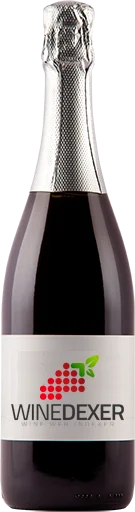
Winery Cantine PaoliniBaronazzo Amafi Moscato
 Sparkling wine



This wine generally goes well with sweet desserts
Food and wine pairings with Baronazzo Amafi Moscato
Pairings that work perfectly with Baronazzo Amafi Moscato

Original food and wine pairings with Baronazzo Amafi Moscato
The Baronazzo Amafi Moscato of Winery Cantine Paolini matches generally quite well with dishes of sweet desserts such as recipes of gaufress and light.
Details and technical informations about Winery Cantine Paolini's Baronazzo Amafi Moscato.
Discover the grape variety: Sousão
Most certainly Portuguese. It can also be found in Spain and South Africa. It would be related to the loureiro and the caino blanco.
Last vintages of this wine
The best vintages of Baronazzo Amafi Moscato from Winery Cantine Paolini are 2008, 0
Informations about the Winery Cantine Paolini
The Winery Cantine Paolini is one of of the world's great estates. It offers 87 wines for sale in the of Sicilia to come and discover on site or to buy online.

The wine region of Sicilia
The wine region of Sicilia is located in the region of Sicile of Italy. We currently count 825 estates and châteaux in the of Sicilia, producing 1804 different wines in conventional, organic and biodynamic agriculture. The wines of Sicilia go well with generally quite well with dishes .
The wine region of Sicily
Sicily is the Southernmost region of Italy, and the largest island in the Mediterranean Sea. For over 2500 years, Sicily (Sicilia in Italian) has been an important centre of Mediterranean viticulture, although the reputation and style of its wines have changed considerably over time. The island was once best known for its Sweet muscatels (see Pantelleria), and later for its fortified Marsala. Today, many of its best-known wines are Dry table wines produced under the regional designation IGT Terre Siciliane, or Sicilia DOC (see below).
The word of the wine: Sorting
Action which consists in removing the bad grains, not ripe or affected by the rot. We often use vibrating sorting tables which, by shaking, make the impurities fall to the ground. In the case of sweet wines, we speak of harvesting by successive selections, in several passages, to select the very ripe grapes each time.