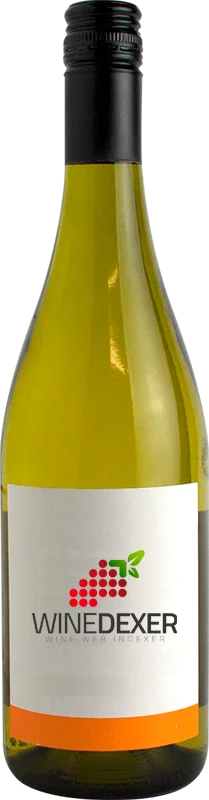
Winery Cantine FabiFalernus Bianco
 White wine
In the mouth this white wine is a with a nice freshness.
This wine generally goes well with vegetarian, appetizers and snacks or lean fish.
Taste structure of the Falernus Bianco from the Winery Cantine Fabi
Light | Bold | |
Dry | Sweet | |
Soft | Acidic |
In the mouth the Falernus Bianco of Winery Cantine Fabi in the region of Lazio is a with a nice freshness.
Food and wine pairings with Falernus Bianco
Pairings that work perfectly with Falernus Bianco



Original food and wine pairings with Falernus Bianco


The Falernus Bianco of Winery Cantine Fabi matches generally quite well with dishes of pasta, vegetarian or appetizers and snacks such as recipes of lasagne simplissimo, magic cake cheese quiche or peach and tuna verrine.
Details and technical informations about Winery Cantine Fabi's Falernus Bianco.
Discover the grape variety: Cayuga
Complex interspecific cross between white seyval (5-276 Seyve-Villard) and schuyler obtained in 1945 by Robinson Willard B. and Einset John at Cornell University in Geneva (USA). It can also be found in Canada, almost unknown in France.
Informations about the Winery Cantine Fabi
The Winery Cantine Fabi is one of of the world's greatest estates. It offers 15 wines for sale in the of Lazio to come and discover on site or to buy online.

The wine region of Lazio
Lazio is a region in CentralItaly, where the ancient capital of Rome is located. The region's reputation is based primarily on its white wines, the main varieties of which are Trebbiano, Malvasia di Candia and Malvasia Puntinata. Traditionally, these wines were fat, Round, abboccato and intended for immediate consumption. Today, the styles are lighter, drier and crisper thanks to modern winemaking methods.
The word of the wine: Licking
Operation consisting in sanitizing a barrel by introducing a wick of ignited sulphur which produces a release of sulphurous gas.