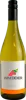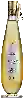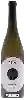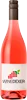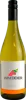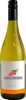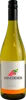
Winery Cantine CapecciLuce e Luna Bianco
 White wine


In the mouth this white wine is a powerful with a nice freshness.
This wine generally goes well with vegetarian, appetizers and snacks or lean fish.

Taste structure of the Luce e Luna Bianco from the Winery Cantine Capecci
Light | Bold | |
Dry | Sweet | |
Soft | Acidic |
In the mouth the Luce e Luna Bianco of Winery Cantine Capecci in the region of Marche is a powerful with a nice freshness.
Food and wine pairings with Luce e Luna Bianco
Pairings that work perfectly with Luce e Luna Bianco



Original food and wine pairings with Luce e Luna Bianco


The Luce e Luna Bianco of Winery Cantine Capecci matches generally quite well with dishes of pasta, vegetarian or appetizers and snacks such as recipes of chinese chicken soup, vegan leek and tofu quiche or autumn verrine.
Details and technical informations about Winery Cantine Capecci's Luce e Luna Bianco.
Discover the grape variety: Rolle
Structured, aromatic whites with an ample mouth and fresh acidity, featuring aromas of citrus (grapefruit, lemon), pear, white flesh fruits, white flowers, fennel and typical marine saline notes. Slightly bitter finish on citrus peel. The absolute signature of great Provence whites (Côtes de Provence AOC, Bellet AOC), a pillar of Corsican whites (Patrimonio AOC, Ajaccio AOC) and present in Languedoc. The French name for Italian Vermentino, native Mediterranean grape.
Last vintages of this wine

The best vintages of Luce e Luna Bianco from Winery Cantine Capecci are 0, 2017
Informations about the Winery Cantine Capecci
The Winery Cantine Capecci is one of of the world's greatest estates. It offers 30 wines for sale in the of Marche to come and discover on site or to buy online.

The wine region of Marche
Italian star of Verdicchio: exceptional age-worthy whites, straight and mineral with signature notes of green almond, lemon, green apple, dry herbs and a slightly bitter finish. Two DOCGs: Castelli di Jesi (coastal, airy) and Matelica (inland, more concentrated). Mediterranean reds: fleshy Montepulciano in Rosso Conero near Ancona, supple Sangiovese. Also fresh Pecorino and Passerina.
The word of the wine: Left bank
In Bordeaux, refers to the vineyards located on the left bank of the Gironde, where the dominant grape variety is Cabernet Sauvignon. These are the Medoc, Haut-Médoc, Pessac-Leognan, Graves, etc. appellations.