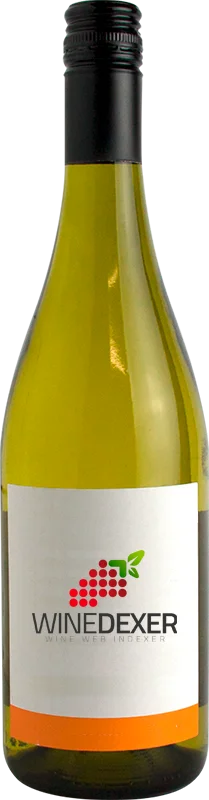
Winery Cantine BirgiTria Catarratto
 White wine
In the mouth this white wine is a powerful.
This wine generally goes well with vegetarian, appetizers and snacks or shellfish.

Taste structure of the Tria Catarratto from the Winery Cantine Birgi
Light | Bold | |
Dry | Sweet | |
Soft | Acidic |
In the mouth the Tria Catarratto of Winery Cantine Birgi in the region of Sicily is a powerful.
Food and wine pairings with Tria Catarratto
Pairings that work perfectly with Tria Catarratto



Original food and wine pairings with Tria Catarratto
The Tria Catarratto of Winery Cantine Birgi matches generally quite well with dishes of shellfish, vegetarian or appetizers and snacks such as recipes of linguine with shrimp and spicy tomato sauce, light tuna-tomato quiche (without cream) or fake foie gras.
Details and technical informations about Winery Cantine Birgi's Tria Catarratto.
Discover the grape variety: Auxerrois
Rich, round whites with tender mouth and moderate acidity, featuring aromas of ripe yellow fruits, white flowers, subtle honey, fresh almond and brioche notes. Often blended with Pinot Blanc in Alsace (cuvées labelled "Pinot Blanc" often contain a good proportion) and a pillar of Crémant d'Alsace. Also in French and Luxembourgish Moselle, Côtes-de-Toul and Baden. Lorraine grape, a Pinot Noir × Gouais Blanc cross, half-sibling of Chardonnay.
Informations about the Winery Cantine Birgi
The Winery Cantine Birgi is one of of the world's great estates. It offers 53 wines for sale in the of Sicily to come and discover on site or to buy online.

The wine region of Sicily
Major qualitative renewal. Sunny, expressive reds: fleshy, spicy Nero d'Avola (black cherry, blackberry, liquorice), fine, mineral Nerello Mascalese on Etna (recalls Pinot Noir), light, crisp Frappato in Cerasuolo di Vittoria DOCG. Lively, saline whites: Catarratto, fat, iodised Grillo, taut Carricante, floral Inzolia. Amber, walnutty fortified Marsala.
The word of the wine: Raw
A term whose meaning varies according to the region (terroir or estate), but which everywhere contains the idea of identifying a wine with a specific place of production.