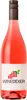
Winery Cantina TolloTanica No. Uno Rosato
 Pink wine
In the mouth this pink wine is a .
This wine generally goes well with poultry, lean fish or shellfish.
Taste structure of the Tanica No. Uno Rosato from the Winery Cantina Tollo
Light | Bold | |
Dry | Sweet | |
Soft | Acidic |
In the mouth the Tanica No. Uno Rosato of Winery Cantina Tollo in the region of Abruzzo is a .
Food and wine pairings with Tanica No. Uno Rosato
Pairings that work perfectly with Tanica No. Uno Rosato



Original food and wine pairings with Tanica No. Uno Rosato

The Tanica No. Uno Rosato of Winery Cantina Tollo matches generally quite well with dishes of shellfish, poultry or lean fish such as recipes of fish paella, leek and fresh salmon tart or brazilian moqueca.
Details and technical informations about Winery Cantina Tollo's Tanica No. Uno Rosato.
Discover the grape variety: Montepulciano
A very old grape variety, most likely originating in Italy, now cultivated mainly in the central and central-eastern parts of this country, registered in France in the Official Catalogue of wine grape varieties, list A1. Montepulciano has long been confused with sangiovese or nielluccio, an A.D.N. analysis has shown that it is different.
Informations about the Winery Cantina Tollo
The Winery Cantina Tollo is one of wineries to follow in Abruzzes.. It offers 257 wines for sale in the of Abruzzo to come and discover on site or to buy online.

The wine region of Abruzzo
Abruzzo is an Italian wine region located on the eastern (Adriatic) coast. Its immediate neighbors in CentralItaly are Marche to the North, Lazio to the west and southwest and Molise to the southeast. Abruzzo has one DOCG - Montepulciano d'Abruzzo Colline Teramane - and three DOC wine appellations. The reds and Cerasuolo d'Abruzzo and Montepulciano d'Abruzzo, as well as the white wine appellation Trebbiano d'Abruzzo are the most notable, followed by the lesser-known Controguerra.
The word of the wine: Maturing (champagne)
After riddling, the bottles are stored on "point", upside down, with the neck of one bottle in the bottom of the other. The duration of this maturation is very important: in contact with the dead yeasts, the wine takes on subtle aromas and gains in roundness and fatness. A brut without year must remain at least 15 months in the cellar after bottling, a vintage 36 months.