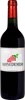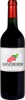
Winery Cantina San GiorgioAlbarossa
 Red wine



In the mouth this red wine is a powerful.
This wine generally goes well with beef, game (deer, venison) or lamb.

Taste structure of the Albarossa from the Winery Cantina San Giorgio
Light | Bold | |
Smooth | Tannic | |
Dry | Sweet | |
Soft | Acidic |
In the mouth the Albarossa of Winery Cantina San Giorgio in the region of Piedmont is a powerful.
Food and wine pairings with Albarossa
Pairings that work perfectly with Albarossa



Original food and wine pairings with Albarossa

The Albarossa of Winery Cantina San Giorgio matches generally quite well with dishes of beef, pasta or lamb such as recipes of pork chops with potatoes, fried rice noodles with chicken or lamb tagine with apricots.
Details and technical informations about Winery Cantina San Giorgio's Albarossa.
Discover the grape variety: Pinot Meunier
Vinified almost exclusively as a base for Champagne AOC, where it brings freshness, fruitiness and immediate roundness to blends (apple, pear, red fruit, brioche notes); it is the most approachable young of the three Champagne varieties. Represents about one third of plantings, the absolute signature of the Vallée de la Marne. Also vinified as single varietal by some growers (blanc-de-noirs meunier champagnes). A cottony-leaved mutation of Pinot Noir, autochthonous to Champagne.
Last vintages of this wine
The best vintages of Albarossa from Winery Cantina San Giorgio are 0
Informations about the Winery Cantina San Giorgio
The Winery Cantina San Giorgio is one of of the world's greatest estates. It offers 24 wines for sale in the of Piedmont to come and discover on site or to buy online.

The wine region of Piedmont
Kingdom of Nebbiolo: Barolo and Barbaresco DOCG, long-ageing reds with firm tannins and lively acidity, complex aromas of withered rose, sour cherry, tar, truffle and undergrowth. More accessible, tangy Barbera on red fruit, supple, crisp Dolcetto. Sweet, floral sparkling Moscato d'Asti, mineral, lemony Gavi (Cortese) white, round, almondy Arneis from Roero. 50,000 ha across the Langhe, Roero and Monferrato, UNESCO.
The word of the wine: Chambered
Said of a wine served at a temperature around 18 °.