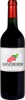
Winery Cantina San GiorgioArmonia Cortese
 White wine



In the mouth this white wine is a powerful.
This wine generally goes well with lean fish, shellfish or mature and hard cheese.

Taste structure of the Armonia Cortese from the Winery Cantina San Giorgio
Light | Bold | |
Dry | Sweet | |
Soft | Acidic |
In the mouth the Armonia Cortese of Winery Cantina San Giorgio in the region of Piedmont is a powerful.
Food and wine pairings with Armonia Cortese
Pairings that work perfectly with Armonia Cortese



Original food and wine pairings with Armonia Cortese


The Armonia Cortese of Winery Cantina San Giorgio matches generally quite well with dishes of pasta, shellfish or mature and hard cheese such as recipes of pasta with tuna and laughing cow, stuffed squid or filet mignon stuffed with bacon and comté cheese.
Details and technical informations about Winery Cantina San Giorgio's Armonia Cortese.
Discover the grape variety: Cortese
Lively, structured whites with firm acidity and a slender mouth, featuring aromas of citrus (lemon, grapefruit), green apple, white flowers, fresh almond and chalky mineral notes. Typically saline finish. The absolute star of Gavi DOCG (Cortese di Gavi), one of Italy's great whites, also made as sparkling wines and aged cuvées. Present in Colli Tortonesi DOC and Lombardy. Native Piedmontese grape from the southeast, with a long tradition of noble whites.
Last vintages of this wine
The best vintages of Armonia Cortese from Winery Cantina San Giorgio are 0
Informations about the Winery Cantina San Giorgio
The Winery Cantina San Giorgio is one of of the world's great estates. It offers 24 wines for sale in the of Piedmont to come and discover on site or to buy online.

The wine region of Piedmont
Kingdom of Nebbiolo: Barolo and Barbaresco DOCG, long-ageing reds with firm tannins and lively acidity, complex aromas of withered rose, sour cherry, tar, truffle and undergrowth. More accessible, tangy Barbera on red fruit, supple, crisp Dolcetto. Sweet, floral sparkling Moscato d'Asti, mineral, lemony Gavi (Cortese) white, round, almondy Arneis from Roero. 50,000 ha across the Langhe, Roero and Monferrato, UNESCO.
The word of the wine: Muscat blanc à petits grains
A white grape variety cultivated since antiquity on the shores of the Mediterranean, it is considered the noblest of the muscats. It is mainly used to make sweet wines, often from mutage. In France, it is the sole variety used in many natural sweet wines: muscat-de-frontignan, muscat-de-mireval, muscat-de-lunel, muscat-de-saint-jean-de-minervois, muscat-de-beaumes-de-venise, muscat-du-cap-corse. Combined with Muscat d'Alexandrie, it gives Muscat-de-Rivesaltes. It is also used to make sparkling white wines (clairette-de-die; moscato d'asti and asti spumante in Italy) and dry wines (alsace-muscat). Powerfully aromatic and complex, its wines evoke fresh grapes, roses, exotic fruits, citrus fruits and spices.