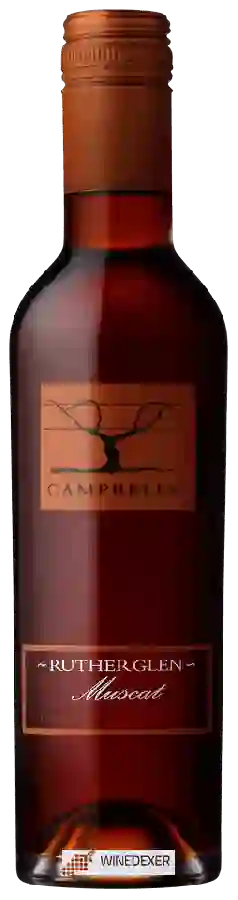
Winery CampbellsRutherglen Muscat
 Sweet wine


This wine generally goes well with spicy food and sweet desserts.
The Rutherglen Muscat of the Winery Campbells is in the top 10 of wines of Rutherglen.

Wine flavors and olphactive analysis






On the nose the Rutherglen Muscat of Winery Campbells in the region of Victoria often reveals types of flavors of non oak, earth or microbio and sometimes also flavors of vegetal, oak or tree fruit.
Food and wine pairings with Rutherglen Muscat
Pairings that work perfectly with Rutherglen Muscat


Original food and wine pairings with Rutherglen Muscat
The Rutherglen Muscat of Winery Campbells matches generally quite well with dishes of spicy food or sweet desserts such as recipes of lobster tail armorican style or gaufress and light.
Details and technical informations about Winery Campbells's Rutherglen Muscat.
Discover the grape variety: Allison seedless
Table grape with long clusters of golden seedless berries, thin skin, crunchy flesh, and a neutral sweet taste. Early-ripening and productive. Rarely vinified; when it is, it yields simple, low-aromatic whites. Grown mainly in California, Australia, and Chile for export markets. An American white table grape variety obtained by crossing for fresh consumption.
Last vintages of this wine

The best vintages of Rutherglen Muscat from Winery Campbells are 2015, 2016, 2010, 0 and 2008.
Informations about the Winery Campbells
The Winery Campbells is one of of the world's greatest estates. It offers 68 wines for sale in the of Rutherglen to come and discover on site or to buy online.

The wine region of Rutherglen
Mythic region of north-east Victoria (Australia), world capital of great fortified wines: signature Muscat à Petits Grains Rouges as fortified king white — amber with opulent notes of raisin, honey, caramel, coffee, candied fig, bitter orange and spices, velvety sweetness and eternal length. Topaque (ex-Tokay, Muscadelle) as eponymous fortified (tea, malt, honey). Classification Rutherglen/Classic/Grand/Rare (≥20 years in casks). Dense Shiraz and Durif as dry.
The wine region of Victoria
Australian diversity from cool to temperate climate. Yarra Valley and Mornington: fine, silky Pinot Noir (cherry, raspberry, undergrowth), taut, mineral Chardonnay. Heathcote: structured Shiraz with black fruits, pepper and chocolate. Rutherglen, fortified capital: opulent sweet Topaque and Muscat (raisin, caramel, fig, roast notes).
The word of the wine: Tertiary aromas
Aromas resulting from the aging of the wine in the bottle. The aromas evolve with time, from fresh fruitiness to notes of stewed, candied or dried fruit, to aromas of venison or undergrowth.