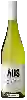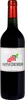
Winery CalaisCabernet Sauvignon
 Red wine


In the mouth this red wine is a powerful with a nice balance between acidity and tannins.
This wine generally goes well with poultry, beef or lamb.

Taste structure of the Cabernet Sauvignon from the Winery Calais
Light | Bold | |
Smooth | Tannic | |
Dry | Sweet | |
Soft | Acidic |
In the mouth the Cabernet Sauvignon of Winery Calais in the region of Nouvelle-Galles du Sud is a powerful with a nice balance between acidity and tannins.


Food and wine pairings with Cabernet Sauvignon
Pairings that work perfectly with Cabernet Sauvignon



Original food and wine pairings with Cabernet Sauvignon
The Cabernet Sauvignon of Winery Calais matches generally quite well with dishes of beef, lamb or poultry such as recipes of beef in white wine, traditional tagine (morocco) or chicken noodles.
Details and technical informations about Winery Calais's Cabernet Sauvignon.
Discover the grape variety: Cabernet-Sauvignon
Structured, tannic reds, deeply coloured, with aromas of blackcurrant, blackberry, cedar, tobacco and graphite, underpinned by firm acidity and fine ageing potential. Cornerstone of the great Médoc estates (Pauillac, Saint-Estèphe, Saint-Julien) and signature of Napa Valley, Coonawarra and Maipo. The world's most planted red variety, a natural cross of Cabernet Franc x Sauvignon Blanc born in Bordeaux.
Last vintages of this wine
The best vintages of Cabernet Sauvignon from Winery Calais are 2016, 0, 2014
Informations about the Winery Calais
The Winery Calais is one of of the world's greatest estates. It offers 35 wines for sale in the of Nouvelle-Galles du Sud to come and discover on site or to buy online.

The wine region of Nouvelle-Galles du Sud
Australia's 2nd wine state with diverse regions. Iconic Hunter Valley: a Sémillon unlike any other, straight, low-alcohol dry whites with vivid citrus when young, evolving over 10-20 years toward honey, toast and lanolin. Medium-bodied Hunter Shiraz, spicy and earthy (leather, red fruits). Also round Chardonnay and aromatic Verdelho.
The word of the wine: Disgorging (champagne)
This is the evacuation of the deposit formed by the yeasts during the second fermentation in the bottle, by opening the bottle. The missing volume is completed with the liqueur de dosage - a mixture of wine and cane sugar - before the final cork is placed. For some years now, some producers have been replacing this sugar with rectified concentrated musts (concentrated grape juice) which give excellent results. A too recent dosage (less than three months) harms the gustatory harmony of the champagne.