The Winery Caggio of Chianti Classico of Tuscany | Winedexer
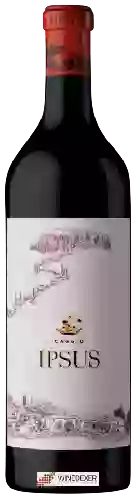
The Winery Caggio is one of the largest wineries in the world. It offers 1 wines for sale in of Chianti Classico to come and discover on site or to buy online.
Looking for the best Winery Caggio wines in Chianti Classico among all the wines in the region? Check out our tops of the best red, white or effervescent Winery Caggio wines. Also find some food and wine pairings that may be suitable with the wines from this area. Learn more about the region and the Winery Caggio wines with technical and enological descriptions.
How Winery Caggio wines pair with each other generally quite well with dishes of beef, veal or pasta such as recipes of roasted fillet of beef with parsley, veal paupiettes with cider or pasta "carbonara" à la française.
On the nose the red wine of Winery Caggio. often reveals types of flavors of non oak, earth or microbio and sometimes also flavors of vegetal, oak or spices. In the mouth the red wine of Winery Caggio. is a powerful with a nice balance between acidity and tannins.
Historic heart of Tuscan Chianti: signature Sangiovese as red king (≥80%) — ruby with garnet glints, elegant and complex with notes of ripe cherry, raspberry, plum, violet, leather and a balsamic touch with ageing, silky tannins and a saline mineral finish. Canaiolo, Colorino or Cabernet/Merlot possible as complements. Riserva and Gran Selezione at the summit. DOCG between Florence and Siena, galestro and alberese soils, continental climate — racy, age-worthy wines.
Planning a wine route in the of Chianti Classico? Here are the wineries to visit and the winemakers to meet during your trip in search of wines similar to Winery Caggio.
Aromatic sweet and liqueur reds with a garnet ruby hue, ample and fragrant palate; powerful muscat signature aromas of rose, red fruits (cherry, raspberry), exotic fruits and honey. Also a prized table grape exported worldwide for its appearance and muscat flavour. Synonym for Muscat of Hamburg, a black aromatic variety bred in England in 1837 (Muscat of Alexandria × Schiava Grossa).

