The Winery Bressan Daniele of Veneto
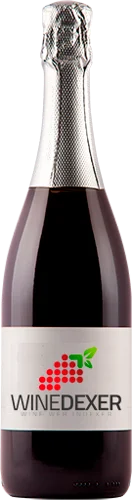
The Winery Bressan Daniele is one of the best wineries to follow in Vénétie.. It offers 8 wines for sale in of Veneto to come and discover on site or to buy online.
Looking for the best Winery Bressan Daniele wines in Veneto among all the wines in the region? Check out our tops of the best red, white or effervescent Winery Bressan Daniele wines. Also find some food and wine pairings that may be suitable with the wines from this area. Learn more about the region and the Winery Bressan Daniele wines with technical and enological descriptions.
How Winery Bressan Daniele wines pair with each other generally quite well with dishes of shellfish, vegetarian or appetizers and snacks such as recipes of mussels with rosemary and barbecue, vegan leek and tofu quiche or avocado verrine and quick.
In the mouth the sparkling wine of Winery Bressan Daniele. is a with a nice vivacity and a fine and pleasant bubble.
Veneto is an important and growing wine region in northeastern Italy. Veneto is administratively Part of the Triveneto area, aLong with its smaller neighbors, Trentino-Alto Adige and Friuli-Venezia Giulia. In terms of geography, culture and wine styles, it represents a transition from the Alpine and Germanic-Slavic end of Italy to the warmer, drier, more Roman lands to the South. Veneto is slightly smaller than the other major Italian wine regions - Piedmont, Tuscany, Lombardy, Puglia and Sicily - but it produces more wine than any of them.
Although the southern regions, Sicily and Puglia, have long been Italy's main wine producers, that Balance began to shift northward to the Veneto in the second half of the 20th century. In the 1990s, southern Italian wine languished in an increasingly competitive and demanding world, while the Veneto upped its Game">game, gaining recognition with wines such as Valpolicella, Amarone, Soave and Prosecco">Prosecco. With Fruity red Valpolicella complementing its intense Amarone and Sweet Recioto, the Veneto has a formidable portfolio of red wines to accompany its refreshing whites, like Soave and Sparkling Prosecco. Although most of the new vineyards that have enabled the Veneto to expand its wine production have been of dubious viticultural quality, today more than 25% of the region's wines are produced and sold under DOC/DOCG designations.
How Winery Bressan Daniele wines pair with each other generally quite well with dishes such as recipes .
American, was widely planted in the first half of the 19th century, particularly in the northern part of the United States. Discovered in 1819, it is the result of an interspecific cross between Vitis Labrusca Linné and Semillon (F. Huber 2016). It can still be found in the United States (New York, Ohio, etc.), Canada (Ontario), Brazil, South Africa, England, etc. In France, it is almost unknown. Note that the Catawba is also related to the concord.
How Winery Bressan Daniele wines pair with each other generally quite well with dishes of beef, pasta or lamb such as recipes of delicious bourguignon, pistou soup complete or stuffed zucchini with merguez, beef and spices.
Called second fermentation or malo for short. It is the degradation (under the effect of bacteria) of the malic acid naturally present in the wine into milder, less aggressive lactic acid. Some producers or wineries refuse this operation by "blocking the malo" (by cold and adding SO2) to keep a maximum of acidity which carries the aromas and accentuates the sensation of freshness.
Planning a wine route in the of Veneto? Here are the wineries to visit and the winemakers to meet during your trip in search of wines similar to Winery Bressan Daniele.
Muscat à petits grains is a white grape variety of Greek origin. Present in several Mediterranean vineyards, it has several synonyms such as muscat de Die, muscat blanc and frontignac. In France, it occupies a little less than 7,000 ha out of a total of 45,000 ha worldwide. Its young shoots are downy. Its youngest leaves are shiny, bronzed and scabrous. The berries and bunches of this variety are all medium-sized. The flesh of the berries is juicy, sweet and firm. Muscat à petits grains has a second ripening period and buds early in the year. It is moderately vigorous and must be pruned short. It likes poor, stony slopes. This variety is often exposed to spring frosts. It fears mildew, wasps, grape worms, court-noué, grey rot and powdery mildew. Muscat à petits grains is used to make rosé wines and dry white wines. Orange, brown sugar, barley sugar and raisins are the known aromas of these wines.