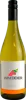
Winery Brejinho da CostaCorrente Branco
 White wine
In the mouth this white wine is a .
This wine generally goes well with pork, lean fish or shellfish.

Taste structure of the Corrente Branco from the Winery Brejinho da Costa
Light | Bold | |
Dry | Sweet | |
Soft | Acidic |
In the mouth the Corrente Branco of Winery Brejinho da Costa in the region of Península de Setúbal is a .
Food and wine pairings with Corrente Branco
Pairings that work perfectly with Corrente Branco



Original food and wine pairings with Corrente Branco

The Corrente Branco of Winery Brejinho da Costa matches generally quite well with dishes of pasta, pork or shellfish such as recipes of mascarpone/gorgonzola macaroni gratin, quiche with bacon and gruyère cheese or clams in white wine.
Details and technical informations about Winery Brejinho da Costa's Corrente Branco.
Discover the grape variety: Terret
Polymorphic family (blanc, gris and noir, mutations of the same variety) yielding crisp, saline whites with citrus, white flowers, fennel and iodine notes, or light fruity reds. Refreshing palate with preserved acidity under warm conditions. Traditional component of Picpoul de Pinet AOC, present in Languedoc, Côtes-du-Rhône AOC and Châteauneuf-du-Pape AOC (terret noir authorised). Very old Languedoc autochthonous variety, signature of Mediterranean coastal terroirs.
Informations about the Winery Brejinho da Costa
The Winery Brejinho da Costa is one of of the world's great estates. It offers 49 wines for sale in the of Setúbal to come and discover on site or to buy online.

The wine region of Setúbal
Portuguese DOC on the peninsula south of Lisbon (1908), specialty of sweet fortified wines. Moscatel de Setúbal signature liquoroso white king: aromatic and opulent with signature notes of raisin, candied orange, honey, dried apricot, orange blossom, sweet spices and balsamic hint, unctuous long palate — from youthful fruity to complex oxidative aging (20+ years). Also Castelão reds, supple (cherry, plum) and Aragonez (Tempranillo) fruity. Tempered Atlantic climate.
The wine region of Península de Setúbal
Portuguese peninsula south of Lisbon between the Tagus and Sado estuaries. World-renowned speciality: Moscatel de Setúbal, a golden fortified sweet wine with signature notes of candied orange, dried apricot, honey, fig, currant and sweet spices, long ageing — the rare Roxo version has more floral notes. Also fruity, supple Castelão reds (64%) (blackberry, plum), perfumed Touriga Nacional. Oceanic climate.
The word of the wine: Blanc de blancs (champagne)
Champagne made only from the Chardonnay grape. The expression has been somewhat overused by the intensive use made of it by certain large distributors of white table wines (or sparkling wines) who were thus seeking to promote their product.