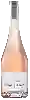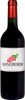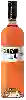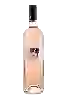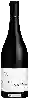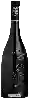
Château de BrégançonCuvée Hermann Sabran Côtes de Provence
 Red wine


This wine generally goes well with beef, lamb or mature and hard cheese.

Wine flavors and olphactive analysis


On the nose the Cuvée Hermann Sabran Côtes de Provence of Château de Brégançon in the region of Provence often reveals types of flavors of oaky, blackberry or vanilla and sometimes also flavors of cassis, non oak or oak.
Food and wine pairings with Cuvée Hermann Sabran Côtes de Provence
Pairings that work perfectly with Cuvée Hermann Sabran Côtes de Provence



Original food and wine pairings with Cuvée Hermann Sabran Côtes de Provence

The Cuvée Hermann Sabran Côtes de Provence of Château de Brégançon matches generally quite well with dishes of beef, lamb or spicy food such as recipes of fillet of beef with morels, pastillas with lamb and apricots or thai beef wok.
Details and technical informations about Château de Brégançon's Cuvée Hermann Sabran Côtes de Provence.
Discover the grape variety: Centennial seedless
Table grape with long bunches and elongated golden seedless (pipless) berries, thin skin and crunchy flesh with a pleasant sweet flavour. Early ripening and productive. Very rarely vinified. Grown in California, Chile, South Africa and Australia for export markets, prized for its attractive appearance and good shelf life. American seedless white table grape variety, developed in California in 1980.
Last vintages of this wine

The best vintages of Cuvée Hermann Sabran Côtes de Provence from Château de Brégançon are 2016, 2014, 2013
Informations about the Château de Brégançon
The Château de Brégançon is one of of the world's greatest estates. It offers 21 wines for sale in the of Côtes de Provence to come and discover on site or to buy online.

The wine region of Côtes de Provence
World reference for pale, elegant rosé: salmon to onion-skin hue, notes of strawberry, pink grapefruit, white peach and flowers, fresh, dry, mineral palate, taut finish. 90% of output, the Provençal signature. Grenache, Cinsault, Syrah and native Tibouren in the blend. A few fleshy Mediterranean reds (Mourvèdre, Syrah) and saline Vermentino whites.
The wine region of Provence
World capital of dry, refined rosé (~90% of production). Pale rose-petal colour, delicate nose of fresh red fruits (strawberry, raspberry, redcurrant), citrus (pink grapefruit), white flowers and a mineral touch, taut and thirst-quenching palate — the Mediterranean aperitif par excellence. Blends of Grenache, Cinsault, Syrah, Tibouren and Mourvèdre. Fleshy Bandol reds from Mourvèdre (leather, garrigue, age-worthy), straight Cassis whites.
The word of the wine: Aroma
A pleasant smell that can be primary (or varietal, i.e. characteristic of the grape), secondary (resulting from fermentation) or tertiary (resulting from the aging of the wine in the bottle).