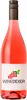
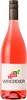
Winery BranceillesMille et Une Pierres Rosé
 Pink wine


This wine is a blend of 2 varietals which are the Cabernet franc and the Gamay noir.
This wine generally goes well with pork, poultry or beef.
The Mille et Une Pierres Rosé of the Winery Branceilles is in the top 20 of wines of Vins de la Correze.

Food and wine pairings with Mille et Une Pierres Rosé
Pairings that work perfectly with Mille et Une Pierres Rosé



Original food and wine pairings with Mille et Une Pierres Rosé


The Mille et Une Pierres Rosé of Winery Branceilles matches generally quite well with dishes of beef, pork or game (deer, venison) such as recipes of express veal stew in a pressure cooker, texas style ribs / loin ribs or autumn pumpkin pie.
Details and technical informations about Winery Branceilles's Mille et Une Pierres Rosé.
Discover the grape variety: Cabernet franc
Supple, fragrant reds with fine tannins and vibrant freshness, showing raspberry, violet, green pepper, pencil lead and gentle spice aromas. Star of the Loire as a single variety (Chinon, Bourgueil, Saumur-Champigny) and of the right bank of Bordeaux in blends (Cheval Blanc at 60%). Also in semi-dry Anjou rosés. A historic Bordeaux variety, parent of Cabernet-Sauvignon, Merlot and Carmenère.
Informations about the Winery Branceilles
The Winery Branceilles is one of of the world's great estates. It offers 13 wines for sale in the of Vins de la Correze to come and discover on site or to buy online.

The wine region of Vins de la Correze
AOC of the Southwest (2017) linked to IGP Pays de Brive, Corrèze wine renaissance around Branceilles (Dordogne valley, Limousin-Quercy-Périgord confluence). Cabernet Franc is the signature red (~50%) with raspberry, blackcurrant, pepper and herbaceous notes, fine tannins. Supple Merlot (~25%) and light fruity Gamay (~25%) complement. Lively rosés.
The word of the wine: Drawing (liqueur de)
In champagne and sparkling wines of traditional method, addition to the wine, at the time of bottling (tirage) of sugars and yeasts dissolved in wine. These components will provoke the second fermentation in the bottle leading to the formation of carbon dioxide bubbles.