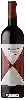
Winery BrancatelliSegreto
 Red wine


In the mouth this red wine is a powerful.
This wine generally goes well with poultry, beef or veal.

Taste structure of the Segreto from the Winery Brancatelli
Light | Bold | |
Smooth | Tannic | |
Dry | Sweet | |
Soft | Acidic |
In the mouth the Segreto of Winery Brancatelli in the region of Tuscany is a powerful.
Wine flavors and olphactive analysis

On the nose the Segreto of Winery Brancatelli in the region of Tuscany often reveals types of flavors of non oak, oak.
Food and wine pairings with Segreto
Pairings that work perfectly with Segreto



Original food and wine pairings with Segreto


The Segreto of Winery Brancatelli matches generally quite well with dishes of beef, lamb or veal such as recipes of enchiladas franchouillards, leg of lamb in a casserole or tunisian pasta.
Details and technical informations about Winery Brancatelli's Segreto.
Discover the grape variety: Cabernet-Sauvignon
Structured, tannic reds, deeply coloured, with aromas of blackcurrant, blackberry, cedar, tobacco and graphite, underpinned by firm acidity and fine ageing potential. Cornerstone of the great Médoc estates (Pauillac, Saint-Estèphe, Saint-Julien) and signature of Napa Valley, Coonawarra and Maipo. The world's most planted red variety, a natural cross of Cabernet Franc x Sauvignon Blanc born in Bordeaux.
Last vintages of this wine
The best vintages of Segreto from Winery Brancatelli are 2011, 0
Informations about the Winery Brancatelli
The Winery Brancatelli is one of of the world's greatest estates. It offers 18 wines for sale in the of Tuscany to come and discover on site or to buy online.

The wine region of Tuscany
Kingdom of Sangiovese: upright reds with cherry, plum, dried herbs and leather, lively acidity and firm tannins. Fleshy, food-friendly Chianti Classico DOCG, deep long-ageing Brunello di Montalcino (spice, tobacco, ripe black fruit), elegant Vino Nobile di Montepulciano. On the coast, Bolgheri crafts the opulent Cabernet- and Merlot-based 'Super Tuscans'. Some fresh white Vernaccia.
The word of the wine: Malolactic fermentation
Called second fermentation or malo for short. It is the degradation (under the effect of bacteria) of the malic acid naturally present in the wine into milder, less aggressive lactic acid. Some producers or wineries refuse this operation by "blocking the malo" (by cold and adding SO2) to keep a maximum of acidity which carries the aromas and accentuates the sensation of freshness.