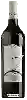
Château BournonvilleNova Stella Cabardès
 Red wine
This wine generally goes well with beef, veal or pasta.
The Nova Stella Cabardès of the Château Bournonville is in the top 30 of wines of Cabardès.

Food and wine pairings with Nova Stella Cabardès
Pairings that work perfectly with Nova Stella Cabardès



Original food and wine pairings with Nova Stella Cabardès
The Nova Stella Cabardès of Château Bournonville matches generally quite well with dishes of beef, pasta or veal such as recipes of quick beef bourguignon, pasta à la forestière (chanterelles) or sauté of veal with corsican style.
Details and technical informations about Château Bournonville's Nova Stella Cabardès.
Discover the grape variety: Verdicchio blanc
Structured, aromatic dry whites with a pale golden colour, a broad palate and keen acidity; signature aromas of almond, white flowers (acacia), yellow fruits (pear, green apple), citrus and saline mineral notes. Fine ageing potential. Star of Verdicchio dei Castelli di Jesi DOC and Verdicchio di Matelica DOC, one of Italy's great whites. Synonym of Verdicchio, identical to Trebbiano di Soave and Turbiana from Lake Garda.
Informations about the Château Bournonville
The Château Bournonville is one of of the world's greatest estates. It offers 7 wines for sale in the of Cabardès to come and discover on site or to buy online.

The wine region of Cabardès
AOC in western Languedoc on the foothills of the Montagne Noire, unique transition climate between Atlantic (Cers) and Mediterranean (Marin). Original rule: blend of Atlantic varieties (Cabernet, Merlot) and southern (Grenache, Syrah, Cinsault), each ≥40%. 85% powerful, elegant reds with wild strawberry, prune, blackcurrant, blackberry, garrigue, pepper and spice, firm tannins and fresh palate — fascinating dual personality. Gourmet rosés complement.
The wine region of Languedoc-Roussillon
Largest single French vineyard, dominated by sunny, generous reds. Spicy Syrah, candied Grenache (ripe fruit, garrigue), structured Carignan, deep Mourvèdre, supple Cinsault. Stars: structured Corbières, Minervois, Faugères, Saint-Chinian; round Côtes-du-Roussillon. Legendary vins doux naturels: Banyuls and Maury (fortified Grenache) with notes of cocoa, fig, prune.
The word of the wine: Garrigue
Notes reminiscent of aromatic Mediterranean herbs such as thyme or rosemary, found in many southern wines.