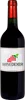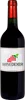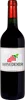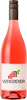
Château BournonvilleCabardès
 Red wine
This wine generally goes well with beef, veal or pasta.
The Cabardès of the Château Bournonville is in the top 20 of wines of Cabardès.

Food and wine pairings with Cabardès
Pairings that work perfectly with Cabardès



Original food and wine pairings with Cabardès
The Cabardès of Château Bournonville matches generally quite well with dishes of beef, pasta or veal such as recipes of puchero, pasta with artichoke hearts and bacon or sauté of veal with mushrooms.
Details and technical informations about Château Bournonville's Cabardès.
Discover the grape variety: Pinot Noir Précoce
Fine, silky, elegant reds with a clear ruby colour, soft tannins and an airy palate with fresh acidity, signature aromas of red fruits (cherry, raspberry, wild strawberry), undergrowth and fine spices. Earlier ripening than classic Pinot Noir. Grown mainly in Germany (Franconia, Württemberg, Ahr) as Frühburgunder and in tiny quantities in France. Early-ripening mutation of Pinot Noir, also called Frühburgunder in Germany.
Informations about the Château Bournonville
The Château Bournonville is one of of the world's greatest estates. It offers 7 wines for sale in the of Cabardès to come and discover on site or to buy online.

The wine region of Cabardès
AOC in western Languedoc on the foothills of the Montagne Noire, unique transition climate between Atlantic (Cers) and Mediterranean (Marin). Original rule: blend of Atlantic varieties (Cabernet, Merlot) and southern (Grenache, Syrah, Cinsault), each ≥40%. 85% powerful, elegant reds with wild strawberry, prune, blackcurrant, blackberry, garrigue, pepper and spice, firm tannins and fresh palate — fascinating dual personality. Gourmet rosés complement.
The wine region of Languedoc-Roussillon
Largest single French vineyard, dominated by sunny, generous reds. Spicy Syrah, candied Grenache (ripe fruit, garrigue), structured Carignan, deep Mourvèdre, supple Cinsault. Stars: structured Corbières, Minervois, Faugères, Saint-Chinian; round Côtes-du-Roussillon. Legendary vins doux naturels: Banyuls and Maury (fortified Grenache) with notes of cocoa, fig, prune.
The word of the wine: Dame-jeanne
Large bottle or wicker-clad carboy used to transport wine and store old spirits before blending.