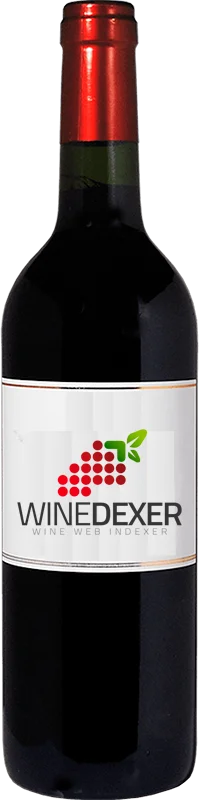
Winery BorovitzaPinot Noir
 Red wine



This wine generally goes well with pork, poultry or veal.
The Pinot Noir of the Winery Borovitza is in the top 70 of wines of Black Sea.

Wine flavors and olphactive analysis


On the nose the Pinot Noir of Winery Borovitza in the region of Black Sea often reveals types of flavors of non oak, earth or oak and sometimes also flavors of red fruit.
Food and wine pairings with Pinot Noir
Pairings that work perfectly with Pinot Noir



Original food and wine pairings with Pinot Noir


The Pinot Noir of Winery Borovitza matches generally quite well with dishes of veal, pork or game (deer, venison) such as recipes of veal chop normandy style, traditional flemish carbonades or duck breast with foie gras sauce.
Details and technical informations about Winery Borovitza's Pinot Noir.
Discover the grape variety: Pinot noir
Elegant reds, light in colour with silky tannins, showing strawberry, cherry and raspberry aromas, evolving to forest floor, mushroom and spice with age. Fresh acidity, delicate finish. Star of the Côte d'Or (Romanée-Conti, Chambertin, Volnay), pillar of Champagne (Blanc de Noirs) and signature of Oregon, Central Otago and Sonoma Coast. An early-ripening Burgundian variety, one of the world's greatest.
Last vintages of this wine
The best vintages of Pinot Noir from Winery Borovitza are 2013, 0, 2015, 2014
Informations about the Winery Borovitza
The Winery Borovitza is one of of the world's greatest estates. It offers 29 wines for sale in the of Black Sea to come and discover on site or to buy online.

The wine region of Black Sea
Vast transnational zone around the Black Sea (Bulgaria, Romania, Russia, Ukraine, Georgia, Turkey), one of the world's cradles of wine (6,000 years). Signature Saperavi in dense, deep red with signature notes of black cherry, blackberry, plum, ink, leather and a spicy touch, firm tannins. Structured Bulgarian Mavrud, supple Ukrainian Odesa Black. Rkatsiteli in taut white (green apple, citrus, mineral).
The word of the wine: Maceration
Prolonged contact and exchange between the juice and the grape solids, especially the skin. Not to be confused with the time of fermentation, which follows maceration. The juice becomes loaded with colouring matter and tannins, and acquires aromas. For a rosé, the maceration is short so that the colour does not "rise" too much. For white wines too, a "pellicular maceration" can be practised, which allows the wine to acquire more fat.