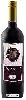
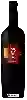
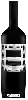
Winery BonsegnaNegroamaro
 Red wine
This wine generally goes well with beef, lamb or pasta.

Food and wine pairings with Negroamaro
Pairings that work perfectly with Negroamaro



Original food and wine pairings with Negroamaro
The Negroamaro of Winery Bonsegna matches generally quite well with dishes of beef, lamb or pasta such as recipes of slow-cooked fillet of beef, trapper's barbecue or succulent and easy to make beef lasagna.
Details and technical informations about Winery Bonsegna's Negroamaro.
Discover the grape variety: Negroamaro
Powerful, structured reds with an almost black inky hue, firm tannins and a solar dense palate, with intense aromas of ripe black fruits (blackberry, plum), tobacco, leather, Mediterranean herbs, spices, liquorice and balsamic notes with a signature bitter finish. Also made as structured rosés. Star of Salice Salentino DOC, Brindisi DOC and Squinzano DOC in Salento. Native Italian variety from Puglia; its name evokes its black colour and bitterness.
Informations about the Winery Bonsegna
The Winery Bonsegna is one of of the world's great estates. It offers 15 wines for sale in the of Salento to come and discover on site or to buy online.

The wine region of Salento
Heel of the Italian boot, sunny and generous vineyard. Fleshy reds: signature Negroamaro ("black-bitter") deep and sturdy, notes of black cherry, plum, spices and a characteristic bitter finish, star in Salice Salentino DOC. Opulent jammy Primitivo di Manduria (= Zinfandel) with notes of black fruits, chocolate and raisin. Supple Malvasia Nera.
The wine region of Puglia
Heel of the boot, 80% red vineyard, sunny and generous. Fleshy, jammy Primitivo (= Zinfandel) with notes of black cherry, plum, chocolate and spices, powerful alcohol and melted tannins, a star in Primitivo di Manduria. Deep, structured Negroamaro (black-bitter) with a bitter finish in Salice Salentino. Structured Nero di Troia, spicy Susumaniello.
The word of the wine: Rebêche (champagne)
Must obtained in excess of the 2 550 litres authorised for a weight of 4 000 kilos of grapes. The first 2 050 litres constitute the cuvée and the next 500 litres the taille. The rebêche represents 1 to 3 % of the total volume and must be distilled or used to make ratafia.