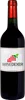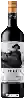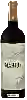
Bodegas PiquerasAlmanza Reserva
 Red wine


In the mouth this red wine is a powerful with a nice balance between acidity and tannins.
This wine generally goes well with poultry, beef or veal.
The Almanza Reserva of the Bodegas Piqueras is in the top 40 of wines of Almansa.

Taste structure of the Almanza Reserva from the Bodegas Piqueras
Light | Bold | |
Smooth | Tannic | |
Dry | Sweet | |
Soft | Acidic |
In the mouth the Almanza Reserva of Bodegas Piqueras in the region of Castille is a powerful with a nice balance between acidity and tannins.
Wine flavors and olphactive analysis


On the nose the Almanza Reserva of Bodegas Piqueras in the region of Castille often reveals types of flavors of oak.
Food and wine pairings with Almanza Reserva
Pairings that work perfectly with Almanza Reserva



Original food and wine pairings with Almanza Reserva

The Almanza Reserva of Bodegas Piqueras matches generally quite well with dishes of beef, pasta or veal such as recipes of kafta bil saniyeh (lebanese dish), rigatoni with courgettes and tomatoes or veal chop with rosemary.
Details and technical informations about Bodegas Piqueras's Almanza Reserva.
Discover the grape variety: Italia Rubi
Table grape with long bunches and elongated red-violet berries, thin skin and muscat-flavoured flesh, sweet and aromatic taste. Rarely vinified. Grown for fresh consumption in Italy, Spain, the Maghreb and South America, appreciated for its attractive appearance and muscat flavour in mass retail. Italian black table grape variety, a red-violet skin mutation of the Italia grape.
Last vintages of this wine

The best vintages of Almanza Reserva from Bodegas Piqueras are 2014, 2016, 2012, 2011 and 2010.
Informations about the Bodegas Piqueras
The Bodegas Piqueras is one of of the world's great estates. It offers 77 wines for sale in the of Almansa to come and discover on site or to buy online.

The wine region of Almansa
Castilla-La Mancha DOP southeast of Albacete, high-altitude vineyards (700-1,000 m) on limestone, dry continental climate. Signature Garnacha Tintorera as ruling red (~60%, Alicante Bouschet, red pulp): dark and fruity with blackberry, candied cherry, plum, violet, garrigue, leather and spice, round tannins and meaty palate. Dense, fresh Monastrell thanks to altitude (blackberry, kirsch, garrigue). Supple Tempranillo, peppery Syrah.
The wine region of Castille
Cradle of great Castilian reds, high-altitude plateaus (450-1000 m) along the Duero. Tempranillo king (aka Tinta de Toro, Tinto Fino): powerful, concentrated, structured reds with notes of black cherry, plum, leather, tobacco and spice, firm tannins from altitude and cool nights. Stars: Ribera del Duero (Vega Sicilia, Pingus), fleshy Toro, Bierzo (floral, mineral Mencía). Lively, herbaceous Verdejo whites from Rueda.
The word of the wine: Malolactic fermentation
Called second fermentation or malo for short. It is the degradation (under the effect of bacteria) of the malic acid naturally present in the wine into milder, less aggressive lactic acid. Some producers or wineries refuse this operation by "blocking the malo" (by cold and adding SO2) to keep a maximum of acidity which carries the aromas and accentuates the sensation of freshness.