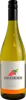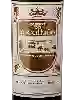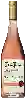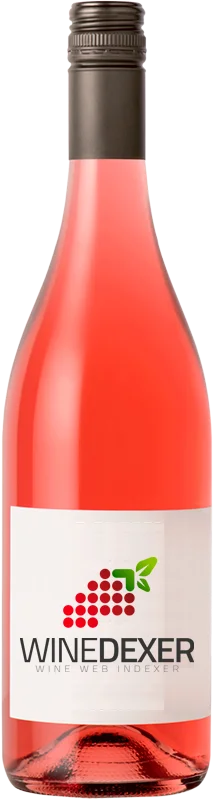
Winery BlanchetRosé de France Trocken
 Pink wine



In the mouth this pink wine is a with a nice freshness.
This wine generally goes well with vegetarian, appetizers and snacks or lean fish.
Taste structure of the Rosé de France Trocken from the Winery Blanchet
Light | Bold | |
Dry | Sweet | |
Soft | Acidic |
In the mouth the Rosé de France Trocken of Winery Blanchet in the region of Vin de France is a with a nice freshness.
Food and wine pairings with Rosé de France Trocken
Pairings that work perfectly with Rosé de France Trocken



Original food and wine pairings with Rosé de France Trocken


The Rosé de France Trocken of Winery Blanchet matches generally quite well with dishes of pasta, vegetarian or appetizers and snacks such as recipes of pasta with goat cheese, thyme and bacon, quiche with leeks and fresh salmon from flo or shrimp acras.
Details and technical informations about Winery Blanchet's Rosé de France Trocken.
Discover the grape variety: Rolle
Rolle is a white grape variety of Turkish origin that has become established in the South of France, particularly in the Var region, in Corsica under the name of Vermentinu, and in Italy. Its bunches and berries, of medium size, change from white to pink when the grapes are ripe. The rolle likes hot climates where the soil is dry and poor. On the other hand, it fears the wind and diseases. It produces fat, well-balanced white wines. These wines may lack acidity, but they are still very aromatic and give off notes of grapefruit, white fruit, white flowers, fennel, etc. Rolle is also a good table grape that can be enjoyed both fresh and dry. Present in Provence, Languedoc, Roussillon and Corsica. It is used in the composition of numerous appellations such as Ajaccio, Patrimonio, Bandol, Coteaux-d'Aix-en-Provence, Côtes-de-Provence, Costières-de-Nîmes, Corbières, Collioure, Côtes-de-Roussillon, Minervois, Saint Chinian...
Last vintages of this wine
The best vintages of Rosé de France Trocken from Winery Blanchet are 2015, 2013, 2008
Informations about the Winery Blanchet
The Winery Blanchet is one of of the world's greatest estates. It offers 16 wines for sale in the of Vin de France to come and discover on site or to buy online.

The wine region of Vin de France
Vin de France is the most basic level of quality for wines from France. These are generally uncomplicated everyday drinks - most often blends, but perhaps also Varietal wines based on a well-known Grape variety such as Cabernet Sauvignon, Merlot, Chardonnay or Sauvignon Blanc. Wines from France are those that do not meet the criteria stipulated by the Protected Designation of Origin (PDO) or Protected Geographical Indication (PGI) laws (see information on French wine labels). This may be because the vineyards are outside the delimited production areas or because the grape varieties or winemaking techniques used do not conform to the rules of the local appellations.
The word of the wine: Salmanazar
Bottle with a capacity of 9 litres.