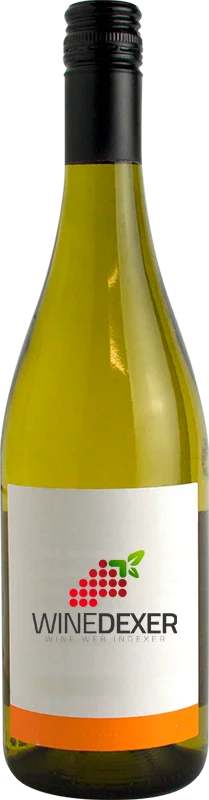
Winery Big BanyanSauvignon Blanc
 White wine


This wine generally goes well with vegetarian, rich fish (salmon, tuna etc) or shellfish.
The Sauvignon Blanc of the Winery Big Banyan is in the top 90 of wines of Bangalore.

Food and wine pairings with Sauvignon Blanc
Pairings that work perfectly with Sauvignon Blanc



Original food and wine pairings with Sauvignon Blanc
The Sauvignon Blanc of Winery Big Banyan matches generally quite well with dishes of rich fish (salmon, tuna etc), shellfish or vegetarian such as recipes of sea bream fillets with capers, cuttlefish a la plancha or quiche without eggs.
Details and technical informations about Winery Big Banyan's Sauvignon Blanc.
Discover the grape variety: Loin de l'oeil
Aromatic, lively whites with a pale golden robe, supple palate and preserved acidity, with signature aromas of white flowers (acacia, hawthorn), citrus (lemon), exotic fruits (pineapple) and white-fleshed fruits (pear). Vinified dry and sweet. Star of Gaillac AOC, defining the identity of Gaillac whites both dry and sweet. Indigenous French white variety from the South-West, also called Len de l'El, grown in the Tarn.
Last vintages of this wine
The best vintages of Sauvignon Blanc from Winery Big Banyan are 2015, 0, 2017
Informations about the Winery Big Banyan
The Winery Big Banyan is one of of the world's greatest estates. It offers 11 wines for sale in the of Bangalore to come and discover on site or to buy online.

The wine region of Bangalore
Karnataka region (southern India) around Nandi Hills, vineyards at altitude up to 1,000 m offsetting tropical latitude (13°N), gravel-limestone-gneiss soils, monsoon June-Sept. Cabernet Sauvignon and Sauvignon Blanc are local signatures: firm, spicy Cabernet (blackcurrant, plum, pepper) and tropical, lively Sauvignon Blanc (passion fruit, citrus, herbs). Sunny Shiraz, floral Viognier, Chenin Blanc and fresh Chardonnay. Grover Zampa is the Indian pioneer (1988).
The word of the wine: Free-run wine
The free-run wine is the wine that flows out of the vat by gravity at the time of running off. The marc soaked in wine is then pressed to extract a rich and tannic wine. Free-run wine and press wine are then aged separately and eventually blended by the winemaker in proportions defined according to the type of wine being made.





