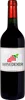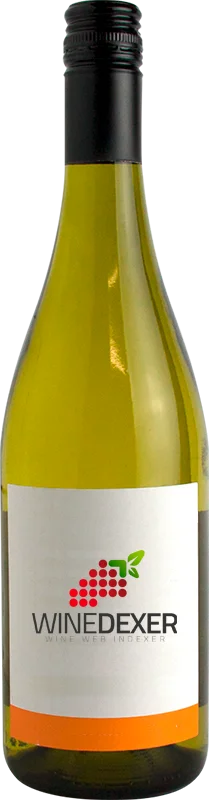
Winery Baron Pilar & CompagnieCuvée de Chantal Rouge Moelleux
 Sweet wine


This wine generally goes well with poultry, beef or veal.

Food and wine pairings with Cuvée de Chantal Rouge Moelleux
Pairings that work perfectly with Cuvée de Chantal Rouge Moelleux



Original food and wine pairings with Cuvée de Chantal Rouge Moelleux

The Cuvée de Chantal Rouge Moelleux of Winery Baron Pilar & Compagnie matches generally quite well with dishes of beef, veal or game (deer, venison) such as recipes of quick beef bourguignon, homemade marengo veal or duck legs confit.
Details and technical informations about Winery Baron Pilar & Compagnie's Cuvée de Chantal Rouge Moelleux.
Discover the grape variety: Nuragus
Dry, vivid and light whites with a pale golden robe, slender mouthfeel and fresh acidity, with delicate aromas of citrus (lemon, grapefruit), green apple, white flowers, fennel and characteristic saline marine notes. Thirst-quenching profile, ideal with seafood and bottarga. Star of Nuragus di Cagliari DOC in southern Sardinia (Campidano plain). One of the most ancient autochthonous Sardinian varieties on the island.
Last vintages of this wine
The best vintages of Cuvée de Chantal Rouge Moelleux from Winery Baron Pilar & Compagnie are 2018
Informations about the Winery Baron Pilar & Compagnie
The Winery Baron Pilar & Compagnie is one of of the world's great estates. It offers 79 wines for sale in the of Bordeaux to come and discover on site or to buy online.

The wine region of Bordeaux
World-renowned age-worthy reds, led by round Merlot (plum, black fruit) or firm Cabernet Sauvignon (blackcurrant, cedar, graphite), blended with Cabernet Franc and Petit Verdot for tannic structure. Structured Médoc and Graves, velvety Saint-Émilion and Pomerol. Also crisp dry whites (Sauvignon/Sémillon) and opulent sweet Sauternes with honey and candied fruit. A 110,000 ha Gironde vineyard, 65 appellations, cradle of the 1855 classified growths.
The word of the wine: Disgorging (champagne)
This is the evacuation of the deposit formed by the yeasts during the second fermentation in the bottle, by opening the bottle. The missing volume is completed with the liqueur de dosage - a mixture of wine and cane sugar - before the final cork is placed. For some years now, some producers have been replacing this sugar with rectified concentrated musts (concentrated grape juice) which give excellent results. A too recent dosage (less than three months) harms the gustatory harmony of the champagne.