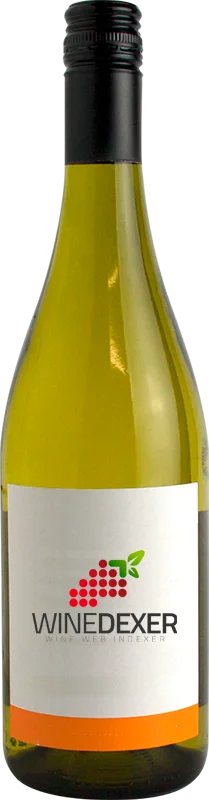
Winery Baglio GrignaniBianco
 White wine


In the mouth this white wine is a powerful.
This wine generally goes well with vegetarian, appetizers and snacks or shellfish.
Taste structure of the Bianco from the Winery Baglio Grignani
Light | Bold | |
Dry | Sweet | |
Soft | Acidic |
In the mouth the Bianco of Winery Baglio Grignani in the region of Sicily is a powerful.
Food and wine pairings with Bianco
Pairings that work perfectly with Bianco



Original food and wine pairings with Bianco
The Bianco of Winery Baglio Grignani matches generally quite well with dishes of shellfish, vegetarian or appetizers and snacks such as recipes of seafood pie, quiche with leeks and fresh salmon from flo or codfish accras.
Details and technical informations about Winery Baglio Grignani's Bianco.
Discover the grape variety: Franc de Haute-Saône
Franc noir de Haute-Saône noir is a grape variety that originated in France (Haute-Saône). It produces a variety of grape specially used for wine making. It is rare to find this grape to eat on our tables. This variety of grape is characterized by small bunches and small grapes. The Franc noir de Haute-Saône black can be found cultivated in these vineyards: South-West, Cognac, Bordeaux, Provence & Corsica, Rhone valley.
Last vintages of this wine
The best vintages of Bianco from Winery Baglio Grignani are 2018, 0
Informations about the Winery Baglio Grignani
The Winery Baglio Grignani is one of of the world's greatest estates. It offers 4 wines for sale in the of Sicily to come and discover on site or to buy online.

The wine region of Sicily
Sicily is the Southernmost region of Italy, and the largest island in the Mediterranean Sea. For over 2500 years, Sicily (Sicilia in Italian) has been an important centre of Mediterranean viticulture, although the reputation and style of its wines have changed considerably over time. The island was once best known for its Sweet muscatels (see Pantelleria), and later for its fortified Marsala. Today, many of its best-known wines are Dry table wines produced under the regional designation IGT Terre Siciliane, or Sicilia DOC (see below).
The word of the wine: Old vines
There are no specific regulations governing the term "vieilles vignes". After 20 to 25 years, the yields stabilize and tend to decrease, the vines are deeply rooted, and the grapes that come from them give richer, more concentrated, more sappy wines, expressing with more nuance the characteristics of their terroir. It is possible to find plots of vines that claim to be a century old.