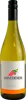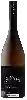
Winery ArtefactoArinto Colheita Seleccionada
 White wine



In the mouth this white wine is a powerful.
This wine generally goes well with pork, lean fish or shellfish.
Taste structure of the Arinto Colheita Seleccionada from the Winery Artefacto
Light | Bold | |
Dry | Sweet | |
Soft | Acidic |
In the mouth the Arinto Colheita Seleccionada of Winery Artefacto in the region of Alentejano is a powerful.
Food and wine pairings with Arinto Colheita Seleccionada
Pairings that work perfectly with Arinto Colheita Seleccionada



Original food and wine pairings with Arinto Colheita Seleccionada

The Arinto Colheita Seleccionada of Winery Artefacto matches generally quite well with dishes of pasta, pork or shellfish such as recipes of pasta and peppers, pork colombo or mussels with chicken.
Details and technical informations about Winery Artefacto's Arinto Colheita Seleccionada.
Discover the grape variety: Cabernet-Carbon
An interspecific cross between Cabernet Sauvignon and Bronner made in 1983 by Norbert Becker of the Freiburg Research Institute in Germany. It can be found in Germany, the Netherlands, Belgium, Switzerland, Italy, Romania, ... little known in France.
Last vintages of this wine
The best vintages of Arinto Colheita Seleccionada from Winery Artefacto are 2015, 0
Informations about the Winery Artefacto
The Winery Artefacto is one of of the world's greatest estates. It offers 10 wines for sale in the of Alentejano to come and discover on site or to buy online.

The wine region of Alentejano
Tejo">Alentejo is a well-known, highly respected wine region in eastern Portugal. This hot, Dry area covers approximately a third of the country and is best known for its red wine, the best of which are sold under the and Alentejo DOC (Denominacao de Origem Controlada) title. Wine from Alentejo is typically made from Aragonez (Tempranillo), Castelao, Trincadeira or a Rich, ripe, jammy blend of the three. Antao Vaz is the white variety of choice here, producing a good level of Acidity and tropical fruit flavors.
The word of the wine: Old vines
There are no specific regulations governing the term "vieilles vignes". After 20 to 25 years, the yields stabilize and tend to decrease, the vines are deeply rooted, and the grapes that come from them give richer, more concentrated, more sappy wines, expressing with more nuance the characteristics of their terroir. It is possible to find plots of vines that claim to be a century old.