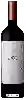
Bodega Finca Las MorasIntis Bonarda - Greco Nero
 Red wine


In the mouth this red wine is a with a nice freshness.
This wine generally goes well with pork, poultry or veal.
Taste structure of the Intis Bonarda - Greco Nero from the Bodega Finca Las Moras
Light | Bold | |
Smooth | Tannic | |
Dry | Sweet | |
Soft | Acidic |
In the mouth the Intis Bonarda - Greco Nero of Bodega Finca Las Moras in the region of San Juan is a with a nice freshness.
Food and wine pairings with Intis Bonarda - Greco Nero
Pairings that work perfectly with Intis Bonarda - Greco Nero



Original food and wine pairings with Intis Bonarda - Greco Nero

The Intis Bonarda - Greco Nero of Bodega Finca Las Moras matches generally quite well with dishes of veal, pork or game (deer, venison) such as recipes of chicken breast with curry and mushrooms, mushroom, bacon and gruyere quiche or baked leg of daguet or roe deer.
Details and technical informations about Bodega Finca Las Moras's Intis Bonarda - Greco Nero.
Discover the grape variety: Tinta Barroca
Most certainly Portuguese, more precisely in the Douro region where it is very present. It can be found in Spain, Portugal, South Africa, ... almost unknown in France, registered in the Official Catalogue of A2 list varieties.
Last vintages of this wine

The best vintages of Intis Bonarda - Greco Nero from Bodega Finca Las Moras are 2012, 0
Informations about the Bodega Finca Las Moras
The Bodega Finca Las Moras is one of wineries to follow in San Juan.. It offers 219 wines for sale in the of San Juan to come and discover on site or to buy online.

The wine region of San Juan
San Juan is an important Argentinean wine-producing area, producing wines of increasing quality using traditional European Grape varieties. The wine region of San Juan covers the administrative area of the same name in the north-western corner of Argentina. The province sits between Mendoza and La Rioja, and is almost entirely contained within the mountainous foothills of the Andes. In terms of production Volume, San Juan is Argentina's second-largest wine region after Mendoza.
The word of the wine: Destemming
Operation consisting in eliminating the vegetal part of the bunch supporting the berries, its maceration with the must giving a herbaceous taste to the wine.